
Thanks to Enovis for helping to sponsor the traveling fellows

Introduction
The ESSKA–AOSSM Traveling Fellowship has a long history and stands as a distinctive initiative aimed at fostering transatlantic collaboration, advancing clinical knowledge, and strengthening professional ties between European and North American orthopaedic communities. In 2025, we—Thomas Neri (France), Christoph Lutter (Germany), and M. Enes Kayaalp (Türkiye)—were honored to take part in this program under the mentorship of our godfather, Professor Roland Becker (Germany), Past President of ESSKA.
Over the course of four weeks, our journey took us through leading hubs of sports medicine excellence, beginning with Nashville and continuing to Birmingham, Rochester, St. Louis, Dallas, Los Angeles, and Stanford. At each stop, we engaged in high-level surgical and clinical activities, participated in vibrant academic exchanges, and experienced the unique cultural character of each city. The fellowship not only deepened our understanding of advanced orthopaedic practice but also reinforced the enduring value of international collaboration, friendship, and shared passion for our field.
Nashville, Tennessee: AOSSM Meeting
Our fellowship commenced in Nashville, coinciding with the Annual Meeting of the American Orthopaedic Society for Sports Medicine (AOSSM)—a premier event bringing together leaders and innovators in sports medicine from across the globe. The meeting offered a comprehensive program of cutting-edge scientific sessions, keynote lectures, and interactive workshops. We had the opportunity to both attend and actively contribute, presenting aspects of our own research and exchanging perspectives with colleagues from diverse backgrounds.
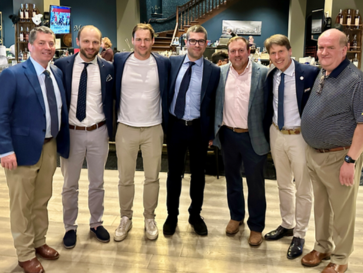
A particular highlight was the 2025 Leadership Dinner, where we were invited to engage directly with the leadership of AOSSM, influential figures in the field, and fellow traveling scholars from other continents. These conversations provided a deeper understanding of society’s vision and the ways in which global partnerships can advance orthopaedic knowledge and patient care.
We also had the privilege of participating in the ESSKA-focused session on knee osteotomy held during the AOSSM meeting, which underscored the value of cross-continental academic dialogue. The Traveling Fellowship Reception further broadened our appreciation of the program’s scope, revealing how such exchanges—rooted in mutual respect, curiosity, and openness—serve as powerful tools for fostering global understanding and professional growth.
Outside the formal sessions, Nashville provided a dynamic and inspiring setting for the beginning of our journey. Known as the “Music City,” it offered an immersive cultural experience defined by live performances, historic venues, and its signature warm Southern hospitality. The closing social event of the AOSSM meeting was particularly memorable, combining vibrant local music, traditional cuisine, and an atmosphere that truly reflected the city’s spirit. These moments, shared over meals, music, and conversation, not only deepened our bonds as a fellowship group but also set the tone for the weeks ahead—one of intellectual curiosity, cultural exchange, and lasting camaraderie.

Birmingham, Alabama: Andrews Sports Medicine
Our next stop brought us to Birmingham, home of the world-renowned Andrews Sports Medicine & Orthopaedic Center—a true cornerstone of sports orthopaedics in the United States. We were privileged to be hosted by Dr. Jeff Dugas and Dr. Lyle Cain, whose dedication to advancing patient care, education, and innovation was evident from the very first moment.
The clinical program provided an outstanding opportunity to observe complex surgical cases, from high-level athlete injuries to challenging reconstructive procedures, alongside detailed clinical consultations that demonstrated the team’s meticulous, patient-centered approach. We saw how ulnar collateral ligament is managed surgically in high athlete pitcher and saw numerous knee and hip procedures. The surgical efficiency of the center was beyond imaginable, with an exceptionally streamlined workflow that maximized both patient care and operative volume. This environment offers remarkable training opportunities for its fellows, who gain substantial surgical exposure and experience over the course of their year.
An evening educational session allowed us to present our own research and clinical experiences, with stimulating discussions and valuable feedback from local faculty, fellows, and residents. The exchange of perspectives highlighted the shared commitment to excellence that unites our global sports medicine community.
Beyond the hospital, our hosts introduced us to the cultural heart of the American South. Highlights included attending a World Wrestling Entertainment event with exclusive backstage access, a private visit to Dr. Dugas’ artisanal distillery complete with exceptional Southern cuisine, and a memorable day at Dr. Cain’s countryside farmhouse, where the blend of nature, hospitality, and incredible flavors created an atmosphere of genuine friendship. Under the expert guidance of Glenn, our culinary ambassador, we sampled iconic Southern dishes and immersed ourselves in the region’s traditions. Our time in Birmingham was both academically enriching and culturally unforgettable—a perfect balance of world-class Oorthopaedic Surgeons, warm camaraderie, and the unique spirit of the South.
University of Rochester, New York
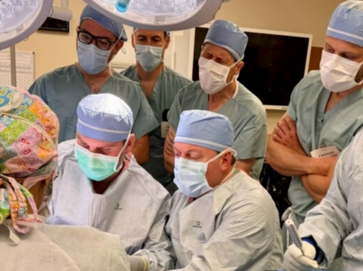
Our fellowship stop at the University of Rochester in New York provided an outstanding opportunity to immerse ourselves in an impressive patient-centered structure, where the clinical, surgical, and scientific aspects of sports orthopaedics are seamlessly integrated. We were warmly welcomed by Dr. Brian Giordano, Dr. Sandeep Mannava, MD, PhD, Dr. Raymond Kenney, and Dr. Ilya Voloshin, along with their dedicated team. During this stage, we were introduced to state-of-the-art approaches in sports orthopaedics and joint preservation, combining advanced surgical exposure, including cartilage repair and biologics procedures, surgical demo and cadaveric laboratory sessions fostering both training and innovation, and scientific assessment of Return to Sport (RTS) supported by an advanced Motion Analysis Laboratory equipped with force plates, allowing objective performance and biomechanics evaluation. The Orthopaedic Department moved into a new and impressive facility recently having outpatient, operating rooms, physiotherapy, research under one roof. We had a great scientific exchange during the grand round in the Sports Medicine Department joined also by the Dean of the University.

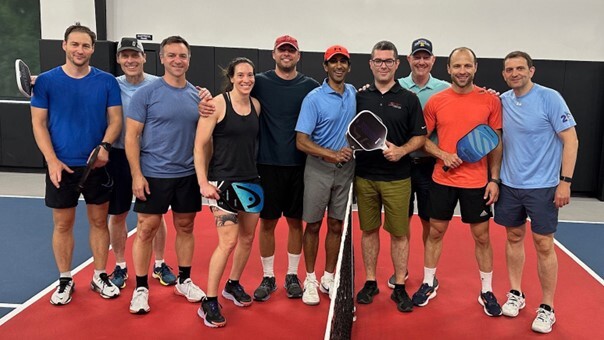
Beyond the operating room, the visit offered a glimpse into the collaborative and vibrant culture of the institution. Leisure activities such as pickleball games, wakesurfing on the Canandaigua Lake, and scenic canal runs provided informal yet invaluable moments to discuss clinical strategies, research perspectives, and future collaborations. This stage of the fellowship was truly enriching and inspiring, combining academic depth, advanced patient care, and a holistic approach to sports medicine and return-to-play evaluation.
Washington University, St. Louis
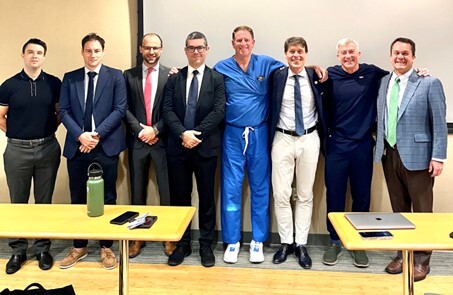
Our fellowship continued at Washington University in St. Louis, famously known as the “Gateway to the West”, where we were warmly welcomed by Dr. Robert Brophy, Dr. Matthew Smith, and Dr. Matthew Matava. We had the privilege of engaging with one of the most respected sports medicine teams in the United States. This stage of our journey provided an in-depth exploration of the art and science of sport surgery, with discussions ranging from ligament reconstruction to joint preservation in high-demand athletes. We attended complex trauma and reconstructive procedures, presented our own work to the faculty and residents, and took part in lively scientific exchanges that highlighted the institution’s dedication to clinical excellence, research innovation, and the training of future leaders in orthopaedics. The experience was also enriched by the warm hospitality of our hosts. A barbecue at Dr. Smith’s home, a tour of the Gateway Arch, and a visit to the local brewery offered memorable opportunities to strengthen collegial bonds and reflect on our shared passion for orthopaedics in a more informal setting. This St. Louis stage was both scientifically rigorous and personally memorable, leaving us with a lasting impression of WashU’s commitment to advancing sport surgery.
Scottish Rite Hospital, Dallas
Our next destination was Texas Scottish Rite Hospital for Children in Dallas, a globally recognized center for pediatric orthopaedics. We were warmly hosted by Dr. Henry Ellis and Dr. Philip Wilson, whose expertise in pediatric ACL reconstruction, meniscal surgery, and fresh osteochondral allograft cartilage restoration provided us with an exceptional educational experience. This stage of the fellowship allowed us to observe the highly specialized care of young patients with complex conditions such as scoliosis, limb deformities, and pediatric knee injuries. The hospital features a comprehensive and highly academic structure, equipped with impressive facilities for Return-to-Sport (RTS) assessment and post-operative care, including rehabilitation programs to optimize recovery and safe return to activity. We were particularly impressed by the family-centered approach of the institution, where close collaboration between surgeons, patients, and families is central to ensuring optimal outcomes and a safe return to daily and athletic activities. Beyond the operating room, Dallas offered an unforgettable cultural immersion into Texas life. Our hosts included us in evening case discussions, a Texas Rangers baseball game, a rodeo experience in Fort Worth, and even a poolside gathering at Dr. Wilson’s ranch, perfectly blending academic depth with warm Texan hospitality. This Dallas stage was scientifically rich and personally memorable, leaving us inspired by the human and clinical impact of the work conducted at Scottish Rite.

Cedars-Sinai Kerlan-Jobe Institute, Los Angeles
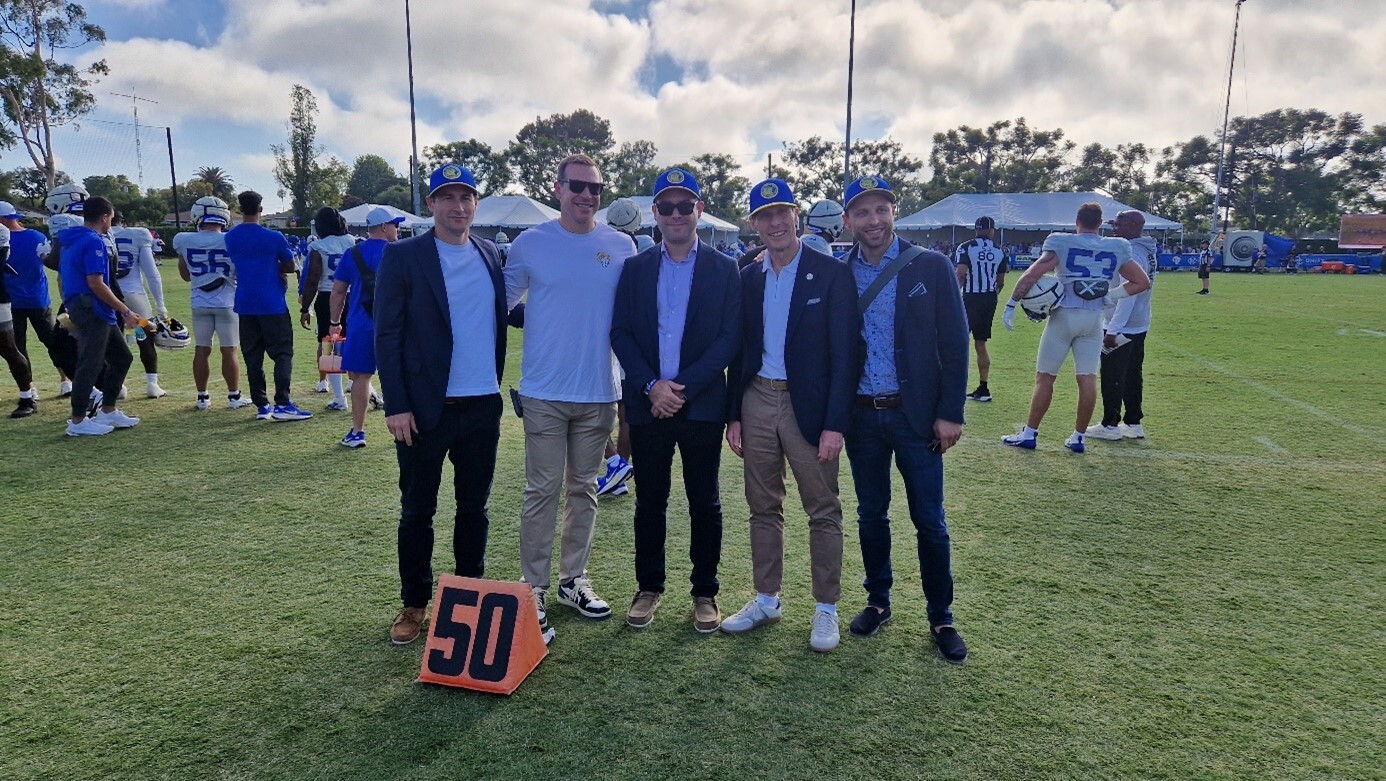
Upon our arrival in Los Angeles at the Cedars-Sinai Kerlan-Jobe Institute, we were greeted by an environment renowned for its commitment to sports medicine and its association with professional athletes. Our hosts, Dr. Banffy and Dr. ElAttrache, were instrumental in providing invaluable insights throughout our stay. During our time at Kerlan-Jobe, we observed a range of evaluations and treatments for various sports-related injuries, reinforcing the institute's reputation as a hub for elite athletes and celebrities from around the globe. The comprehensive approach here—encompassing diagnostics, clinics, surgery, and rehabilitation—all housed within the same facility, exemplified the streamlined care that is essential for high-performance athletics. Our experience was further enriched by a delightful dinner at a rooftop bar and restaurant, where we celebrated our godfather’s birthday amidst stunning views of the city. The institute's unwavering commitment to rehabilitation and injury prevention resonated deeply with us, as we believe these elements are critical for the long-term health of athletes. A highlight of our visit was attending the LA Rams training camp, which provided us with a unique perspective on the intricacies of professional sports training. Our surgical observations included hip arthroscopies, shoulder procedures, and knee surgeries, allowing us to witness firsthand the advanced techniques employed at Kerlan-Jobe. Specifically the arthroscopic labral repair using the peroneus tendon was an impressive surgery shown by Dr. Banffy. A very nice rotator cuff repair was shown by Dr. ElAttrache. We also took advantage of the beautiful Los Angeles beaches, enjoying invigorating runs along Venice Beach and Manhattan Beach, which provided a refreshing contrast to our rigorous academic schedule. The experience was further enhanced by the novelty of riding in driverless taxis, seamlessly integrating innovation into our journey. Our discussions continued over dinner at a prestigious golf club, where we delved into the complexities of returning athletes to play after injury. This dialogue provided valuable insights into the nuanced decision-making processes that underpin successful rehabilitation and performance. Our time at the Cedars-Sinai Kerlan-Jobe Institute was not only educational but also a testament to the blend of sports medicine and the vibrant culture of Los Angeles, leaving us inspired and equipped with knowledge that will undoubtedly influence our future practices in orthopaedic surgery.
Stanford University, San Francisco
As we embarked on our journey from Los Angeles to San Francisco, anticipation filled the air. This leg of our travelling fellowship, graciously hosted by Stanford University, promised to be an enlightening conclusion to an enriching experience. Our esteemed hosts, Dr. Marc Safran, Dr. Seth Sherman, and Dr. Geoff Abrams, welcomed us warmly, setting the stage for an intensive exploration of orthopaedic surgery intertwined with the vibrant culture of the Bay Area. Straight after the arrival in Palo Alto we had an awe-inspiring tour of the Stanford campus given by Prof. Safran, a veritable bastion of academic excellence and athletic prowess. The scale of the campus is unparalleled, housing one of the most prestigious sports programs globally. Among the highlights was a memorable encounter with Andrew Luck, a celebrated figure in American football, whose insights were invaluable. The day’s adventures continued with a thrilling golf cart tour led by the exuberant Dr. Safran. His spirited driving style proved exhilarating, challenging us to keep pace as we navigated through the sprawling grounds. We were privileged to meet the female basketball team, their head coaches, and other elite athletes, fostering connections that transcended the realms of medicine and sport. Stanford University has produced the highest number of Olympic athletes to date, including numerous gold medalists and world record holders. The evening culminated in a delightful dinner at a local beer garden, where camaraderie blossomed with the new fellows from the sports team, forging friendships that would last beyond our weekend. The following morning was dedicated to observing intricate surgical procedures. We witnessed a multi-ligament reconstruction of the knee performed by Dr. Abrams, followed by a hip arthroscopy with capsular duplication for micro-instability led by Dr. Safran. Dr. Sherman then showcased his expertise in osteochondral allografting. Each procedure deepened our understanding of complex orthopaedic techniques and illustrated the high standards of care at Stanford.

In the afternoon, we ventured to the Meta (formerly Facebook) headquarters, where we were guided by Marc Zuckerberg's personal assistant. The experience was both enlightening and entertaining, leading us to purchase Meta’s innovative AI Ray-Ban goggles—an illustration of the fascinating intersection between technology and healthcare. Dinner that evening at Dr. Abrams' home was a festive occasion, featuring tacos and refreshing cold beers, complemented by a lively pool party atmosphere that fostered further bonding among fellows. Our third day began with a refreshing morning run at the Dish Park on the Stanford campus, providing an invigorating start to the day. We then engaged in a scientific session featuring presentations on meniscal allografts, hip pathologies, and osteotomies around the knee. The highlight was an immersive cadaver lab session where we practiced osteotomies around the knee, medial patellofemoral ligament (MPFL) techniques, and explored novel approaches to tibial tuberosity osteotomies (TTO) and cartilage repairs. This hands-on experience solidified our practical skills and understanding of advanced orthopaedic procedures. Dinner at a renowned Palo Alto restaurant rounded off the day, providing an opportunity to reflect on our experiences and share insights. Our concluding day was dedicated to exploring the iconic city of San Francisco. We embarked on a scenic hike with breathtaking views of the Golden Gate Bridge, followed by a memorable stroll across the bridge itself. The adventure continued with a ride on the famous cable cars and an autonomous Vaymo taxi, combining the charm of the city with the marvels of modern technology. As the day drew to a close, we savored one last dinner in San Francisco, cherishing the memories of our journey. The fellowship concluded with a heartfelt breakfast alongside Dr. Safran, where we reflected on the transformative experiences we had shared. As we boarded our flight back to Europe, we carried with us not only knowledge and skills but also lasting friendships and inspiration for our future endeavors in orthopaedic surgery.

Conclusion
This traveling fellowship offered us a once-in-a-lifetime opportunity to explore the field of orthopaedic surgery across the United States. Each stop along our journey provided unique insights into various aspects of the field, from innovative surgical techniques to cutting-edge research initiatives. We are deeply thankful for the chance to experience this exceptional fellowship and for being selected by ESSKA to do so. We extend our sincere gratitude to ESSKA and AOSSM for their support. It was great to see differences but also to recognize the similarities in practices, showcasing excellence at a high level in both Europe and the USA. The connections made with experts and the knowledge gained during this experience will undoubtedly shape our future practices and research endeavors. Not only did we meet new friends in the USA, but we also formed strong bonds with our fellow participants. We are immensely grateful for the opportunity to participate in this fellowship under the guidance of Prof. Dr. Roland Becker. The experience reinforced our commitment to lifelong learning and collaboration in the pursuit of excellence in orthopaedic surgery. As we move forward, we look forward to applying what we have learned to enhance patient care and contribute to the ongoing advancement of our field.