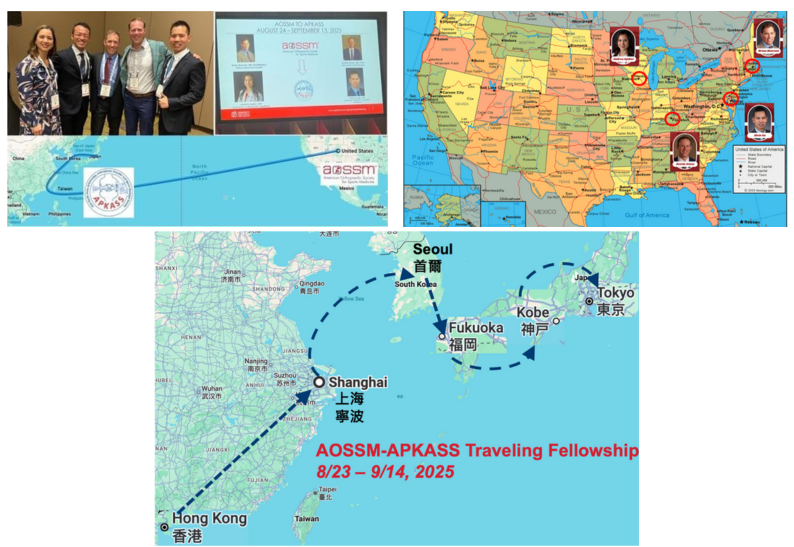
August 24 – September 14, 2025
Sponsored by: Enovis, AOSSM, APKASS
God Parent:
Brian Busconi, MD
University of Massachusetts, Worchester, MA
Traveling Fellows:
Alvin Su, MD, PhD
Nemours Children’s Health – Delaware Valley, Wilmington, DE
Andrea Spiker, MD
University of Wisconsin – Madison, Madison, WI
Austin Stone, MD, PhD
University of Kentucky, Lexington, KY
Key Differences We Observed Across Asia
A. Most Asian countries have well-established National Health Insurance Systems that cover the majority of medical needs, including surgical procedures. Private insurance is also common in certain regions. For optional, self-pay services—or for patients who don’t want the “economy class” hospital experience and prefer a business- or first-class upgrade in such — under certain circumstances, private insurance can dramatically shorten wait times for both clinic visits and surgery.
B. Compared with the United States, major Asian metropolitan cities are densely populated, have high demand for healthcare, and offer excellent accessibility at significantly lower cost—yet the quality of care is often on par with that of the U.S. It’s not unusual for a physician to see close to a hundred patients in a single clinic session.
C. In many Asian cultures, patients expect to stay in the hospital until they are fully “recovered”, believing that postoperative rehabilitation should be completed in the inpatient setting. Because hospital stays are relatively affordable, patients often remain hospitalized for several days even after routine arthroscopic surgeries such as meniscus repair, ACL reconstruction, or hip and shoulder arthroscopy. This stands in contrast to the widespread trend on outpatient surgery in the United States.
D. As a result of high utilization and low cost to the public, many Asian National Health Insurance Systems face financial strain and even the risk of insolvency. Physician overwork is a common concern, especially in large academic centers where salaries may not be high, yet expectations for research and teaching remain substantial. After several years in the public system, some physicians may choose to work in private practice settings in parallel, or transition fully to private practice.
E. Allograft use in Asia is far less common than that in the United States. Cultural perception plays a substantial role: though this varies from one area to another, in some Asian societies, people are reluctant to accept tissues or organs from another person—especially a deceased donor. Some patients also prefer to avoid long-term retention of any foreign material, such as metal implants. In certain regions, the use of allografts may even be legally restricted.
F. Mask-wearing is still required (or strongly preferred) in many hospitals. In fact, long before COVID-19, wearing masks in medical facilities had already been a common etiquette across Asian metropolitan areas—a habit that was reinforced further after the 2002–2004 SARS outbreak. Even now, as COVID-19 has receded, mask-wearing continues to be viewed as part of good hygiene.
G. Orthopedic training in Asia still carries strong master–apprentice (apprenticeship model) traditions. Senior professors function almost like family patriarchs, guiding younger surgeons through years of stepwise skill and knowledge development. When the time is right, mentors naturally progress them toward to the next level and arrange appropriate job opportunities. In contrast, the U.S. training culture is more goal-oriented—encouraging questioning, and even challenging routine practices to foster innovation. Yet across all cultures, orthopedic surgeons (especially sports medicine surgeons!) remain some of the most hardworking—and most dedicated—clinicians in any hospital.
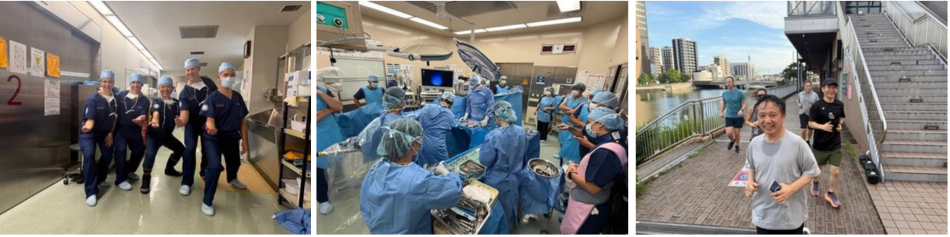
H. Operating rooms are impressively well staffed: typically, 1–2 scrub nurses, 1–2 circulating nurses, and 2–3 residents, fellows, or surgical assistants/PAs scrubbed in. Even junior scrub nurses were extremely familiar with all the procedures, often ready for the next step before the surgeon even asked. If something was missing, circulating nurses would literally run—not just mentally, but physically run down the hallway—to retrieve it, usually within 30 seconds. Diligence, efficiency, and attention to details are deeply ingrained in Asian culture, and we saw this consistently in more than 90% of the ORs we visited.
I. Formal business attire is technically expected for very formal occasions, but for many academic conferences or dinners banquets, semi-formal or business casual attire is common. Short-sleeve shirts are common among male surgeons when outside of the OR, likely due to climate and local culture. Our recommendation: one formal suit is sufficient. Bring more business casual attire. Hotel laundry service, as in the U.S., can be hit or miss—so it’s best not to travel with irreplaceable or delicate clothing (like handcrafted designer garments or rare shirts).
Prelude
The Beginning of Our AweSome Journey – The Mighty B.B. and 3x A.S.
In August 2025, the four of us started our long-anticipated trip to Asia, departing from four different corners of the United States. Andrea flew from Wisconsin (University of Wisconsin–Madison), Austin from Kentucky (University of Kentucky), Alvin from Pennsylvania (Nemours Children’s Health – Delaware Valley), and our “Godfather”, Brian Busconi, from Boston (University of Massachusetts).
We had met earlier at the AOSSM Annual Meeting to talk about jet lag strategies, travel safety, currency, packing tips, and attire. With an itinerary spanning three countries and four distinct regions, the travel logistics alone were complex—but for four sports medicine surgeons who enjoy challenges and deal with complexities daily, these only added excitement to the adventure.
One warning for future traveling fellows: you will end up needing more luggage.
By the time we left Korea, each of us had purchased an extra suitcase. Gifts exchanged along the way, items from hosts that couldn’t be folded or compressed, and the souvenirs we bought for colleagues and family quickly filled our bags. When Alvin departed Japan, he already had two large checked suitcases, a carry-on, and a garment bag (and he still extended his trip to Taiwan!). Andrea and Austin also checked at least two bags each. The champion was Brian—after decades of military service and countless team-travel trips, he still made do with one purchased-in-Korea checked bag plus a carry-on.
We brought essential medications like melatonin, NSAIDs, and GI medications such as Imodium. (Ironically, none of us got sick—everything we ate, from restaurants to street stalls, was delicious and clean.) Over-the-counter medicines can usually be purchased locally, but some items like melatonin or creatine can be hard to find in Asia, so it’s best to bring enough from home.
Jet lag peaked around day three after arrival and gradually improved over the next week. Andrea and Austin used an app that planned out when to sleep, eat, and drink coffee starting before departure—an approach that worked surprisingly well. Alvin and Brian relied on the classic method: adjust to the local schedule immediately. Because our itinerary was packed from morning to night, jet lag mostly manifested as occasional fatigue rather than complete day-night reversal.
Hong Kong (香港)
Aug 24 – Aug 28, 2025
Hong Kong—the “Pearl of the East” (東方明珠) —was our first destination. Long one of the world’s most important financial and commercial hubs, Hong Kong was under British rule for a century until 1997. After its return, it became part of China while retaining its own administrative system, healthcare structure, economy, and even its own Olympic delegation and flag, functioning as the Hong Kong Special Administrative Region.
Like India and Malaysia, Hong Kong’s culture and healthcare system remain deeply influenced by British traditions. The city is densely populated, filled with skyscrapers, and remarkably multicultural. Yet in the older districts, traces of traditional Cantonese (廣東) culture are still easy to find. Most Hong Kong residents speak Cantonese, many speak Mandarin, and nearly all professionals (including physicians) are fluent in English. Hong Kong has only two universities—CUHK (香港中文大學) and HKU (香港大學) — yet both consistently rank among the world’s top universities.
Our hosts were the Sports Medicine team at CUHK led by Professor Patrick Yung (容樹恒教授), who also serves as team physician for many Olympic athletes and professional teams. Miss Kon Chan was the organizational center of the entire fellowship. They welcomed us warmly at the airport and brought us to our hotel across from the CUHK Medical Center in Shatin (沙田), where our three-and-a-half-week journey officially began.
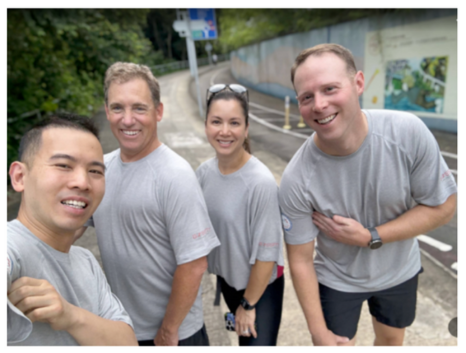
The next morning, eager to prove that jet lag is trivial for sports surgeons, we went on a sunrise run wearing our custom-made Traveling Fellowship T-shirts. In an hour, we looped along the Shatin riverside as temperature and humidity climbed and the morning flow of commuters filled the streets.
Clinical Visits and Cultural Highlights
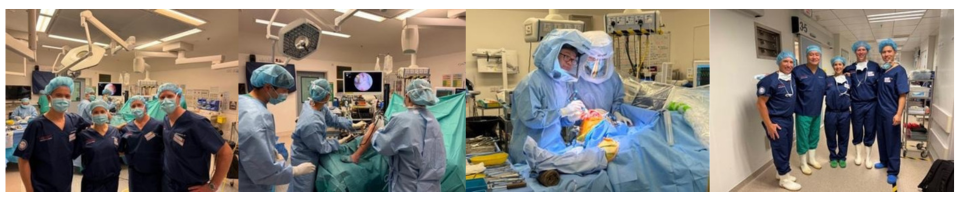
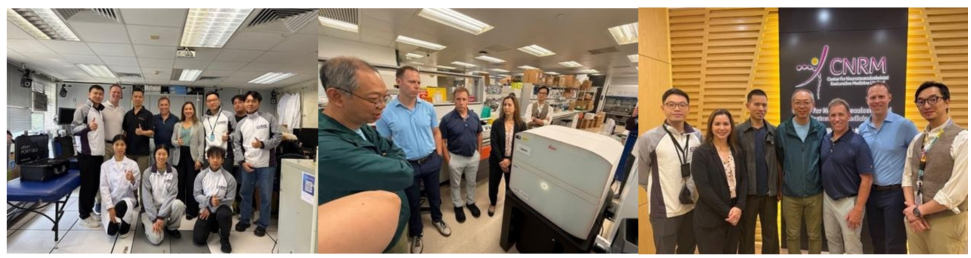
Our first visit was to Prince of Wales Hospital, a historical public teaching hospital of CUHK. Dr. Jonathan Ng (吳俊文) performed an MPFL reconstruction—autograft hamstring is their standard because allografts are harder to obtain and not as widely accepted. They reserve allografts for revisions or when the hamstring has already been harvested for prior ACL reconstruction. The second case was a transtibial meniscus root repair, which Jonathan performed with impressive efficiency. His first assistant, PGY-3 Michelle, demonstrated strong interest and skill in sports medicine.
Next door, Dr. Michael Ong (王添欣) performed a bicruciate-retaining total knee replacement. The surgery went smoothly, though declining demand means this implant will soon be discontinued.
The hospital houses multiple basic and clinical science labs—including molecular biology, biomechanics, and motion analysis. A major expansion is underway, with many labs transitioning to a new, heavily funded biotechnology park equipped with advanced technology such as 3D bioprinters and staffed by internationally recruited researchers. The park reportedly has an annual operating budget in the billions.
Sports Facilities and Traditional Medicine
We visited Kitchee Sports Club(傑志體育會), Hong Kong’s top professional soccer team, located in New Territories(新界). Surrounded by skyscrapers, the training facility is modern and well resourced, with a roster that is half local athletes and half international players.
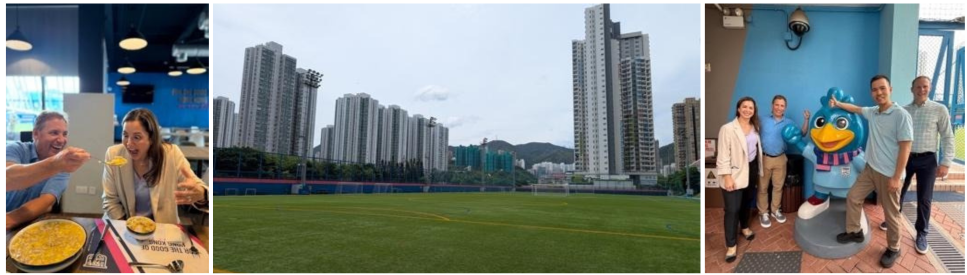
We then toured the Hong Kong Sports Institute (香港體育學院), the elite training center for Olympic athletes. The facility integrates Western medicine, Chinese medicine, acupuncture, cupping, nutrition, sports psychology, physical therapy, and athletic training.
Brian, fascinated by traditional medicine, tried heated cupping to “strengthen his fire element.” In traditional philosophy, both nature and the human body exist as interconnected, ever-renewing systems, and health depends on the balance among the five elements—metal, wood, water, fire, and earth. (金、木、水、火、土)
The Institute prioritizes long-term conditioning over short-term performance spikes, and balanced nutrition over single supplements. Their dining hall uses facial recognition to tailor recommendations for each athlete based on dietary history and performance goals. The system even warns athletes when they select foods outside their personalized plan.
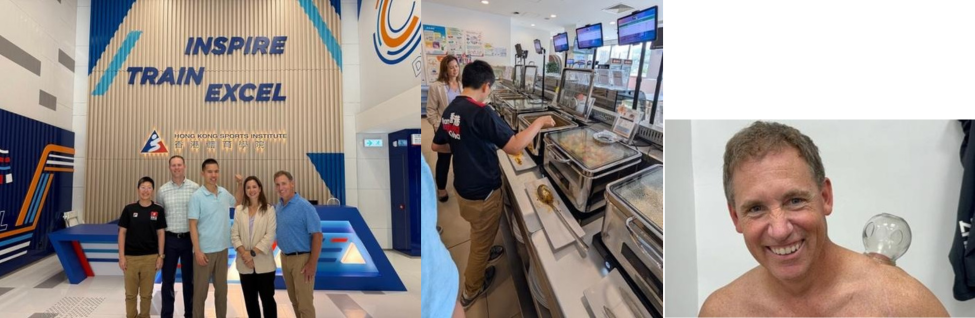
We watched live table tennis and fencing training—sports in which Hong Kong traditionally excels—and visited the swimming facilities. The Institute also houses a professional martial arts hall with notable achievements in karate.
CUHK Medical Center and the Hospitality of Our Hosts
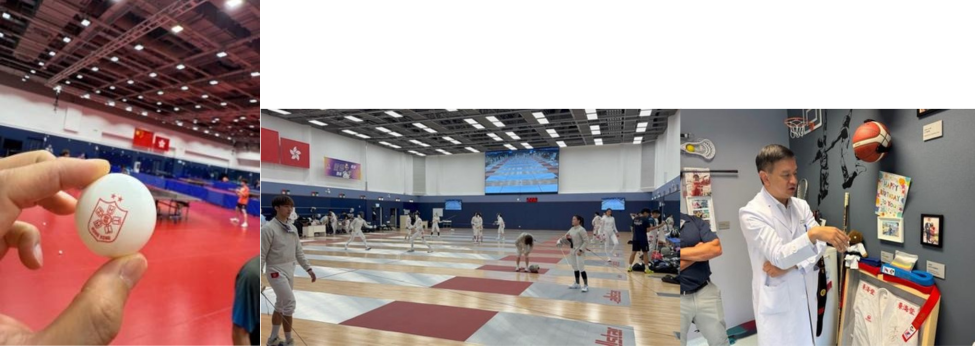
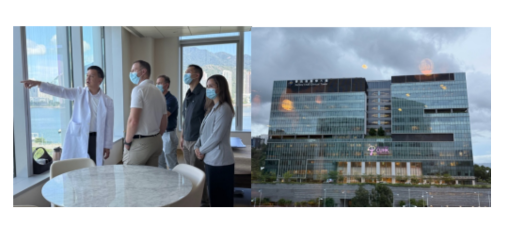
The CUHK Medical Center is a strikingly modern facility. On our last day, Professor Yung toured us through the new orthopedic ward, where the highest-tier rooms have panoramic ocean views worthy of a luxury hotel. For professional athletes or celebrities, discreet “back alley” routes allow private entry and exit.
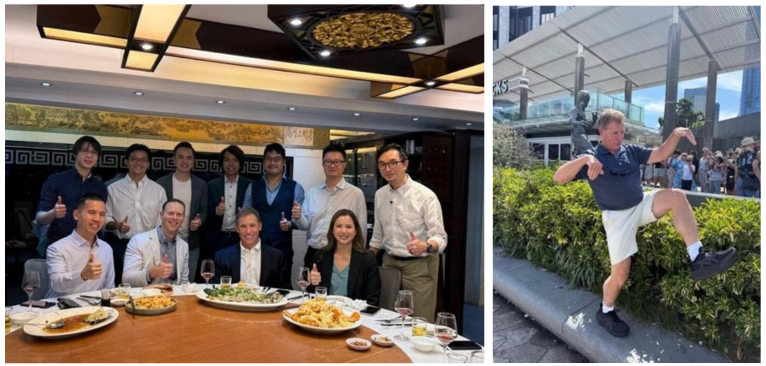
Dr. Samuel Ling (凌家健) guided us through his foot & ankle sports clinic and the newly built operating suites. That evening, all four of us spoke at a sports medicine symposium organized for our visit and exchanged commemorative gifts.
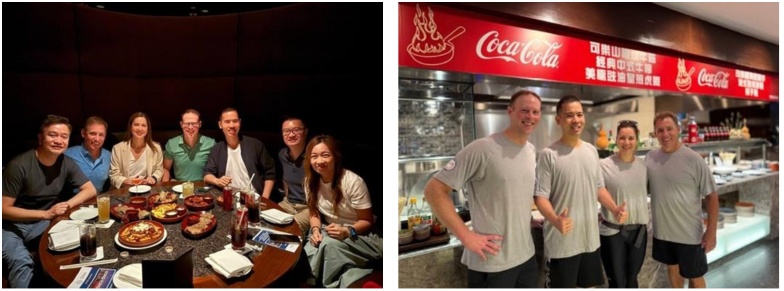
Hong Kong’s cuisine more than lived up to its reputation: dim sum (飲茶), freshly roasted char siu (叉燒), Peking duck (北京片皮烤鴨), and live seafood repeatedly pushed us beyond the limits of our usual dietary discipline.
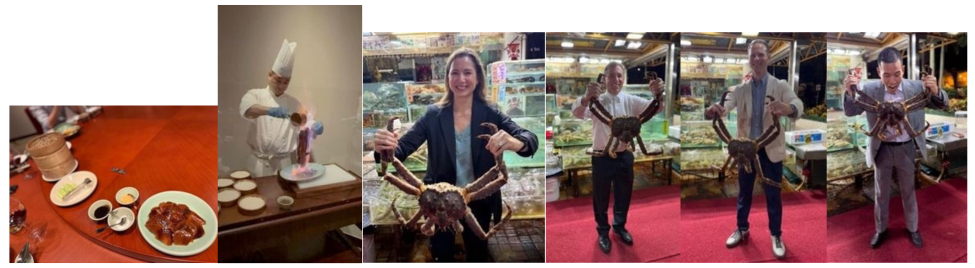
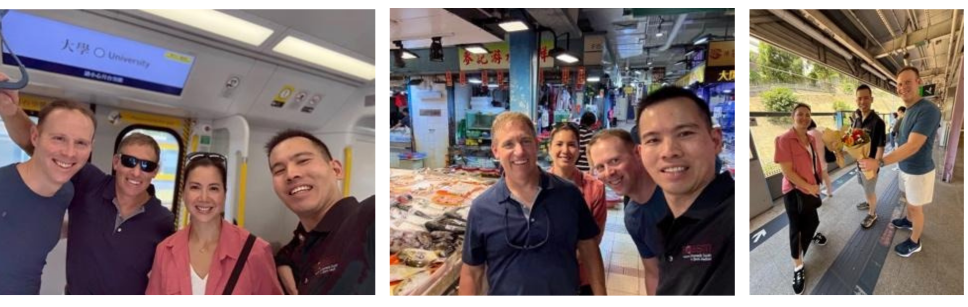
During a brief break in our schedule, we visited a traditional market by MTR. Thanks to Alvin’s Chinese skills, we chatted with vendors and learned that although Hong Kong is a major port, much of its seafood is actually imported. Hong Kong’s significance lies not only in fishing but in its strategic location along global trade routes—similar to Taiwan. On a side note, Brian may have the youngest heart among us! He might even be Bruce Lee reincarnated—just look at that perfect kung fu stance!
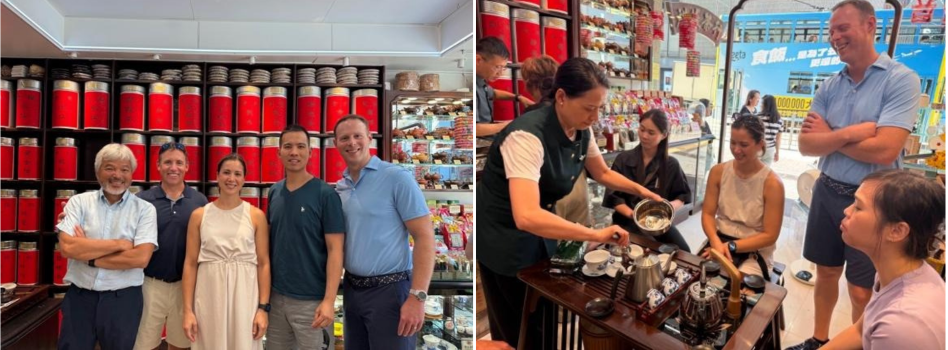
Dr. Jonathan Ng’s family-owned tea shop, decades old, was another highlight. We were so impressed by the tea that we each bought several packages to bring home. Speaking with Dr. Ng’s father—a former vice president of a construction company who returned to run the family business—we could feel his deep connection to tradition and his clear sense of values. Many Hong Kong orthopedic surgeons we met shared this same groundedness, prompting reflection about our own career choices.
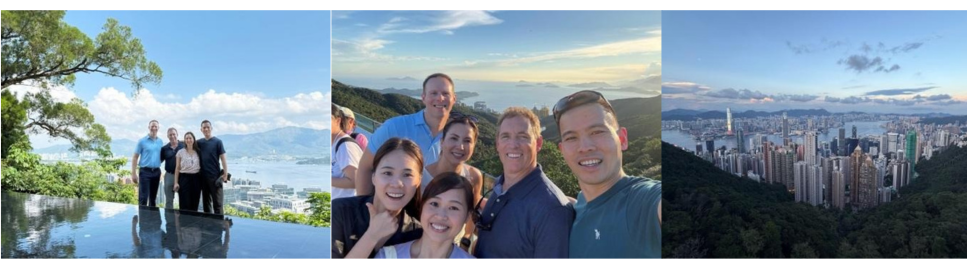
Our dedicated guides, Ms. Kon Chan and Sammy, also showed us the scenic hillside CUHK campus and accompanied us on a cable car ride to Hong Kong’s highest peak, where the city’s dense skyline is dramatically framed by protected green mountains. Hong Kong’s laws restrict development in many hillside forests for environmental and safety reasons—one reason the city has expanded vertically, much like Manhattan in NYC, USA.
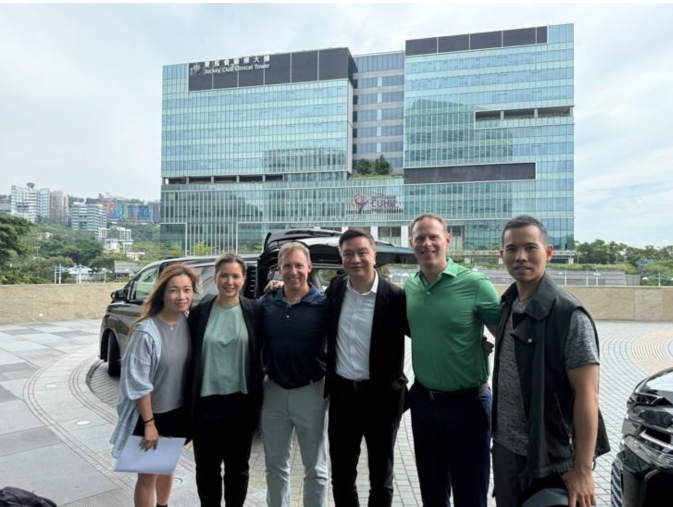
Throughout our stay in Hong Kong, our hosts were extraordinarily generous. Several local orthopedic surgeons even took time out of busy schedules to visit sites with us personally. On our final morning, Professor Yung came to our hotel to see us off as we departed the Hong Kong Special Administrative Region and boarded our Cathay Pacific flight to Shanghai – and we promised to see each other again at the JSOA meeting in Tokyo weeks later!
China(中國)
Aug 28 – Sept 1, 2025
A Civilization of Depth and Endurance
China’s history stretches over five thousand years, forming one of humanity’s oldest continuous civilizations. Its vast landscape has nurtured countless eras of cultural, scientific, and philosophical brilliance. More than two hundred years before the Common Era, during the Spring and Autumn and Warring States periods, the iconic military strategist Sun Tzu(孫子)emerged. His masterpiece, The Art of War(孫子兵法), is still studied around the world today—taught in military academies such as West Point and referenced by numerous military and business leaders and even Presidents, as a timeless guide to strategy.
Empires, Golden Ages, and Cultural Legacy
Qin Shi Huang(秦始皇), the first emperor to unify China, ended centuries of warfare and completed the building of the Great Wall(萬里長城). The Han dynasty(漢朝) that followed marked a flourishing age, succeeded—after the dramatic Three Kingdoms period—by eras of division and reunification before the rise of the Tang dynasty(唐朝), another golden age of cultural and military strength. Foreign scholars journeyed great distances to learn from China, and even today the terms “漢人” and “漢字” echo these enduring roots. Early Okinawan martial artists once referred to Chinese martial arts as “唐手,” which later was taught in Japan and evolved into the development of modern karate.
Paper-making, printing, gunpowder and compass — transformational inventions that reshaped global civilization—also originated here in China.
Conquest, Crossroads, and Transformation
By the end of the Song dynasty(宋朝), the Mongols—unified under the formidable Genghis Khan(成吉思汗)—swept southward, ultimately founding the Yuan dynasty through his grandson Kublai Khan(忽必烈). Their empire stretched across vast regions of Asia including the modern-day Turkey, Iran and Iraq, Uzbekistan, and nearly reached Europe, and Marco Polo’s famed travels took place during this extraordinary era. Following the fall of the Mongol-led Yuan dynasty, the Ming dynasty(明朝)came to power and reestablished native Chinese rule. In the seventeenth century, the Manchus rose from the northeast, eventually entering China proper and founding the Qing dynasty(清朝).
In later centuries, as the Industrial Revolution transformed the West and Japan modernized after the Meiji Restoration, China in the era of the Qing dynasty faced internal and external challenges. The Opium Wars and the invasion by the Eight-Nation Alliance marked periods of great upheaval. Hong Kong’s modern history reflects this era: Hong Kong Island and Kowloon were ceded to Britain in the 19th century, and in 1898 the surrounding New Territories were leased to Britain for 99 years, expiring in 1997. Ultimately, the entire colony of Hong Kong was returned to China in 1997 after 156 years of British administration. The nostalgic colonial architecture along Shanghai’s(上海灘)and Ningbo’s waterfront(寧波外灘)still echo the cultural imprint of that period.
After the revolution led by Dr. Sun Yat-sen (孫中山先生), who was a physician, toppled the Qing dynasty, China entered a new path toward modernization. Unlike alphabetic Western languages, Traditional Chinese writing — rich with meaning and artistic form—remains one of the world’s most complex scripts to master. In the mid-20th century, partially in hope for improving the literacy rate among the general population, the government introduced major script reforms and officially forced the use of simplified characters(简体字)in mainland China, which gradually replaced traditional forms(繁體字/正體字)that are still used in Taiwan and Hong Kong nowadays.
Over the course of Chinese history, Confucianism (孔子 儒思想)gradually became the dominant ethical framework, emphasizing social harmony through defined relationships and reciprocal responsibilities between rulers and subjects, parents and children, and elders and juniors. At the same time, certain historical episodes—such as the intellectual suppression associated with Qin Shi Huang and the social upheavals of the Cultural Revolution (文化大革命)—are often viewed as periods of significant cultural disruption that left enduring marks on China’s historical experience. In the decades that followed, China underwent rapid economic reform and urbanization, laying the foundation for the modern nation we experienced during our visit.
A Modern Nation in Motion
Today, China is advancing at remarkable speed under strong governmental coordination. Our most immediate impression was the near-silence of the streets, filled almost entirely with electric vehicles—so quiet that crossing the road required new caution. Massive investments in scientific research and medicine, supported by the country’s enormous population and clinical volume, have fueled rapid progress. Another testament to China’s technological progress was Professor Chen’s Huawei smartphone—which, even in dim evening light, captured stunningly clear and beautiful photos. Truly impressive! (Well, Prof. Chen does have the latest, most expensive model though!)
At the same time, internet and media access remain regulated, with services such as Google (including Gmail and Google Maps), Meta platforms (Facebook, WhatsApp, Instagram), and LinkedIn not directly accessible in China. Certain VPN or international data plans can gain access to these, however. On the other hand, Chinese have also developed its own apps designed to align with local policies and regulations, such as WeChat, TikTok and Alipay, which have become an integral part of daily life for people in China.
The Traveling Fellowship in Mainland China
Arrival in Shanghai(上海)—Gateway to Exchange
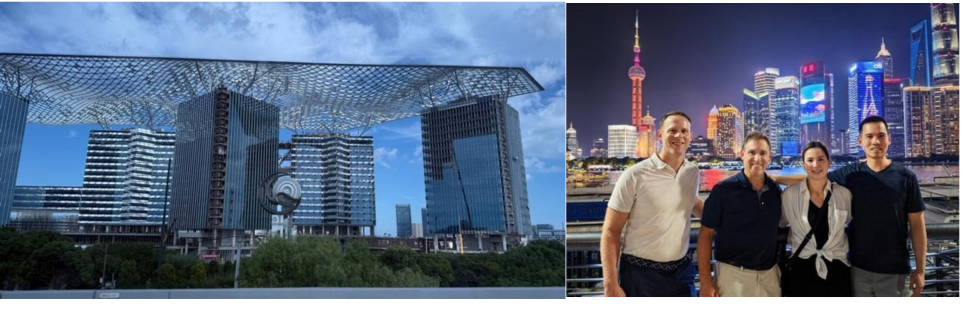
The AOSSM Traveling Fellows continued their journey of academic and cultural discovery as they entered mainland China. Shanghai—together with Beijing and Chongqing one of China’s three largest cities—stands as a dynamic financial and commercial center with a distinctly international flair.
Here, we were warmly welcomed by Professor Shiyi Chen(陳世益教授)and Dr. Zhiwen Luo(羅智文教授)of Fudan University(上海复旦大學). Their gracious hospitality reflected a shared commitment to fostering meaningful collaboration between orthopaedic communities in China and the United States.
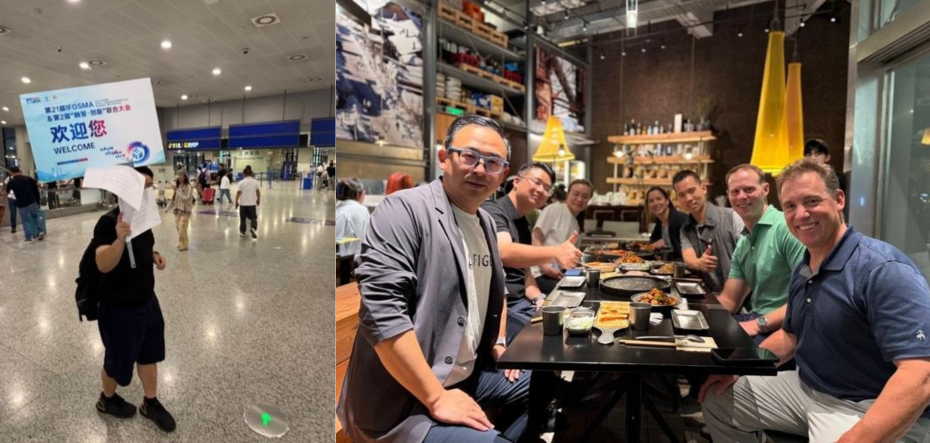
Ningbo(寧波) and IFOSMA — A Convergence of Expertise A Conference of Scale and Spirit
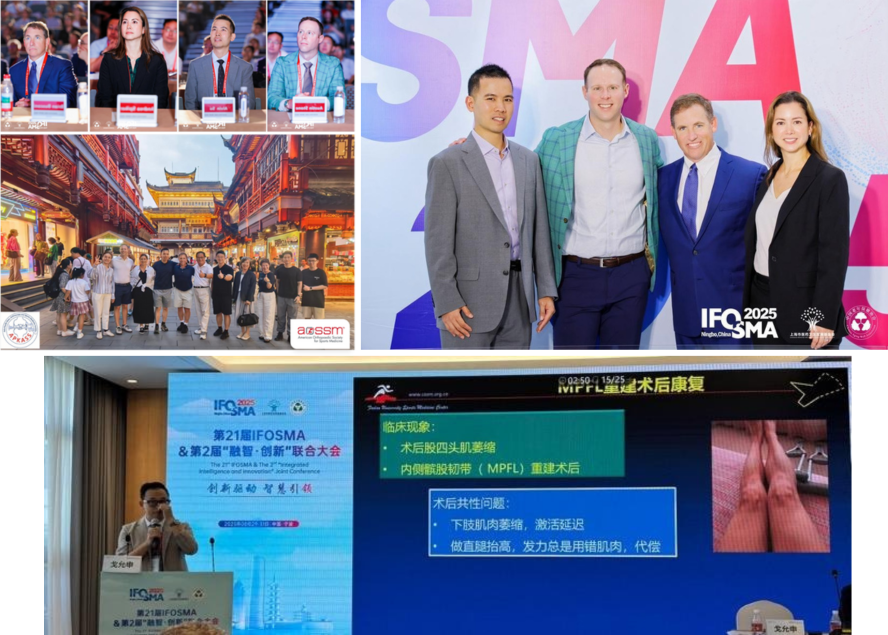
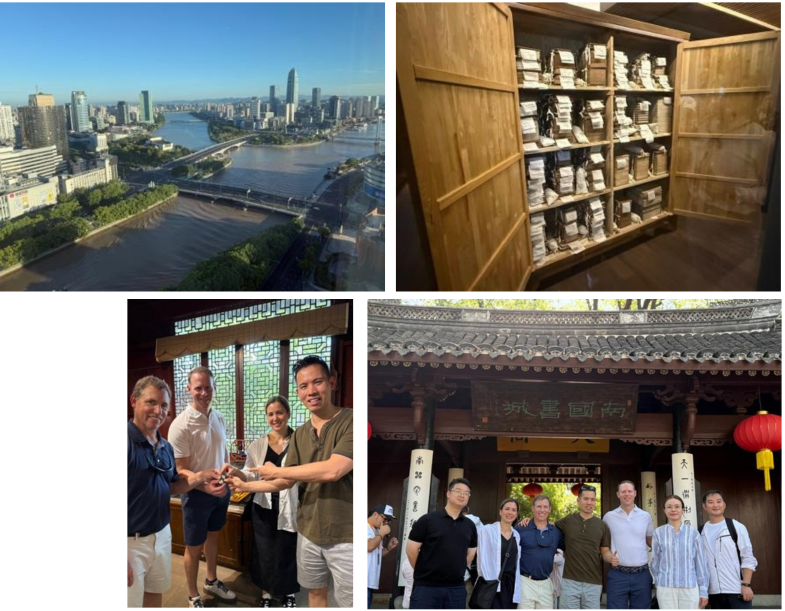
The fellows next traveled to the ancient city of Ningbo(寧波) to attend the International Forum on Orthopaedic Sports Medicine and Arthroscopy (IFOSMA). With more than 500 surgeons and international guests—as well as political supporters—the conference served as a powerful arena for scholarly exchange. Our presentations were met with enthusiasm, highlighting our shared aspirations to elevate global standards in sports medicine and arthroscopy.
Throughout the sessions, we encountered rare and complex cases from across China and learned how surgeons in different regions use ingenuity and specialized techniques to treat challenging conditions.
Innovation in Motion: China’s Artificial ACL & Scientific Research
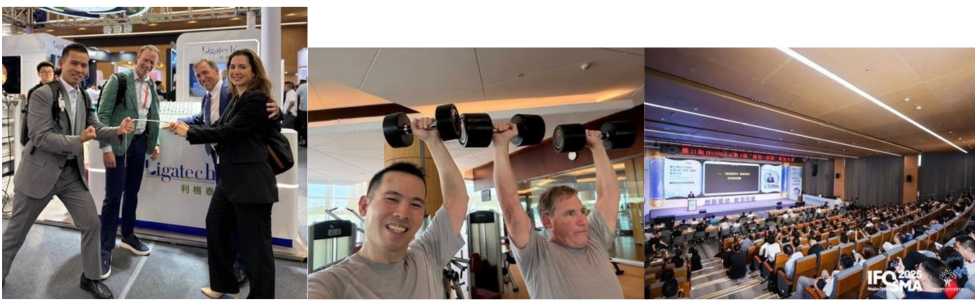
In the exhibition hall, we were introduced to a locally developed artificial ACL ligament. Unlike the widely used internal brace in the United States, this high-strength synthetic implant can fully replace an autograft or allograft—even in revision cases—without requiring biological tissue. Shaped like a woven cylindrical band, it comes in diameters ranging from 5 or 6 mm up to 12 or 13 mm. According to China’s extensive case data, its ten-year failure rate is impressively low—comparable to, or even better than, outcomes achieved with autografts elsewhere. We played tug-of-war on this ligament – and it did seem quite tough! We thus decided to work out more!
Cultural factors and clinical realities have shaped this innovation; autograft and allograft use is less common in China than in Western countries. Traditionally, we assume that synthetic materials fail over time because they lack biological healing, yet China’s massive clinical volume has produced many successful long-term outcomes. These insights remind us exactly why international exchange—and traveling fellowships—are invaluable.
Under the guidance of Professor Chen, and with Dr. Zhiwen Luo leading the effort, Fudan University in Shanghai has established numerous scientific research journals and produced many significant academic publications—several of which are now indexed in major international databases.
The Pace and Dedication of Chinese Surgeons
In conversations with local colleagues, we gained a deeper appreciation for the sheer scale of China’s healthcare system. Many surgeons perform more than fifteen ACL or joint replacement surgeries in a single day—sometimes with only one operating room—while still seeing two or three hundred patients. Their commitment is extraordinary; some stay overnight in the hospital even when not on call.
Large case volumes, of course, are intimately linked to surgical mastery and efficiency. And if artificial ACL technology indeed offers excellent outcomes, its use as the sole implant may save operative time and reduce costs—an area that captured our interest.
Cultural Immersion: Tianyi Pavilion Library(天一閣)
Where Scholarship and Spirit Converge
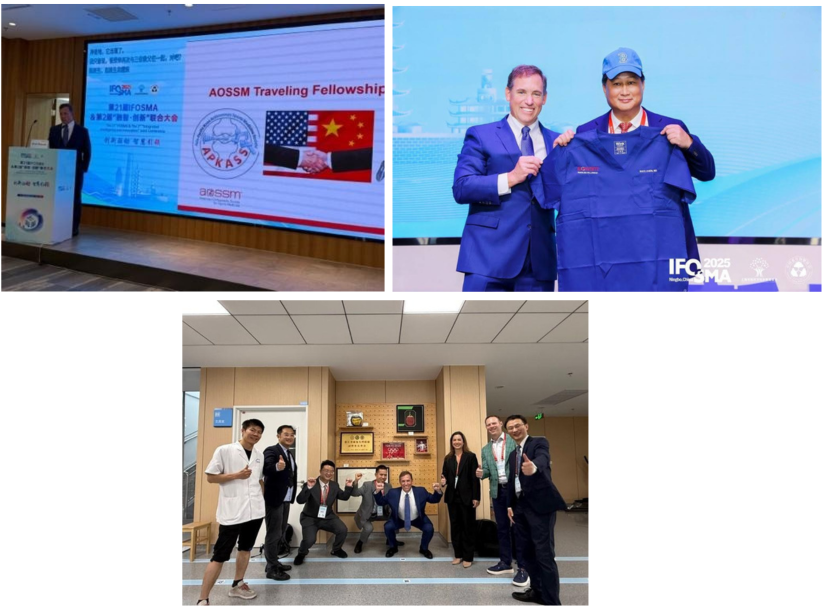
Beyond the academic program, we visited the Tianyi Pavilion Library(天一閣)in Ningbo(寧波)-- a historic harbor city at the convergence of three rivers. This is one of China’s oldest private libraries and a revered cultural landmark. Standing within its ancient architecture and walking among its preserved collections offered a profound glimpse into China’s long tradition of scholarship and intellectual devotion.
During our visit, conversations drifted toward traditional concepts such as the Five Elements(金木水火土), feng shui, the Eight Trigrams(八卦), the Four Pillars of Destiny(八字), and the zodiac(生肖).
Andrea and Alvin, for example, were both born in the Year of the Monkey associated with gold, though their elemental designation may not be ‘gold’ but depends on the precise time and place of birth. Austin was born in the Year of the Pig, associated with water. And our leader Brian—true to his spirited nature—is a tiger, though an “earth tiger,” as the fortune-teller noted, advising him to drink more coffee (which he never needed because he’s always on high energy!) to fuel his “fire” and thus strengthen his “earth”!
These moments of cultural exchange added richness and texture to the scientific dialogue, deepening our appreciation for the fellowship experience.
Return to Shanghai—A City of Light and Flavor
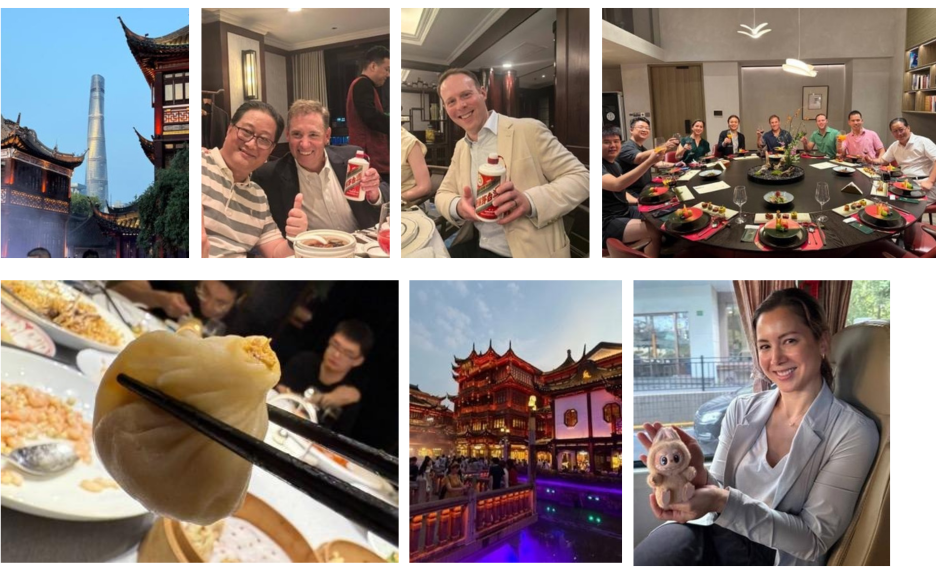
Back in Shanghai, the delegation explored the city’s renowned cultural icons and culinary treasures. From the glowing skyline along the Bund to the diverse flavors that define Shanghai cuisine—including the beloved xiaolongbao (小籠湯包)and a wide variety of seafood—every moment immersed us in the vibrant rhythm of this cosmopolitan metropolis.
We also had the chance to taste China’s world-famous spirit, Moutai(茅台酒). Alvin, unfortunately, couldn’t try it due to his low alcohol tolerance—but Brian, Andrea, and Austin were absolutely blown away by it!
We were also gifted several remarkable treasures during our visit. Professor Chen generously presented each of us with an exquisite set of Jingdezhen ceramic teaware— rare pieces that money alone cannot always buy, and for which we were deeply grateful. In addition, we received an extremely hard-to-find Chinese collectible, Labubu. Through Labubu’s clever marketing approach, we even picked up unexpected insights into branding and audience engagement—lessons that, surprisingly, might one day find meaningful application in the field of sports medicine.
A Journey of Collaboration and Connection
This visit embodied the mission of the Traveling Fellows program: to cultivate international partnership, elevate academic excellence, and build enduring professional relationships.
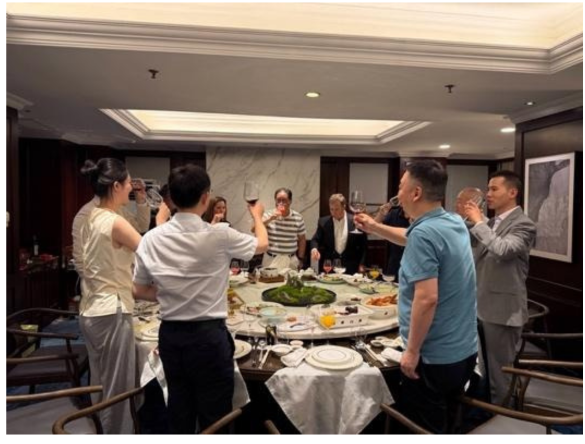
The hospitality of our colleagues at Fudan University, the scholarly depth of IFOSMA, the cultural heritage of Tianyi Pavilion Library, and the spirited dynamism of Shanghai together shaped a journey that was profoundly memorable and deeply meaningful.
South Korea (대한민국)
Sept 1 – Sept 5, 2025
Our third destination was the Republic of Korea, commonly known as South Korea. Like China and Japan, Korea possesses a deep and ancient history that reaches back to prehistoric times. In the earliest surviving written sources, the peninsula was referred to as “Joseon (朝鮮 / 조선)”. Over more than two millennia of documented history, the region has experienced continual cycles of warfare, fragmentation, and unification.
Just as China had its well-known Three Kingdoms Period, the Korean Peninsula also had its own Three Kingdoms Period, lasting roughly seven centuries and consisting of Goguryeo (⾼句麗 / 고구려), Baekje (百濟 / 백제), and Silla (新羅 / 신라). After Silla unified the peninsula in the 7th century, it later transitioned into the Later Three Kingdoms Period, which ultimately gave rise to the Goryeo Dynasty (⾼麗王朝 / 고려왕조)—a state that endured 474 years and became the origin of the modern word “Korea.”
As Goryeo declined, it was overthrown by the military leader Yi Seong-gye (李成桂 / 이성계), who founded the final ruling dynasty on the peninsula: the Joseon Dynasty (朝鮮王朝 / 조선왕조), which lasted more than five centuries. In its final years, Joseon declared full sovereignty and reestablished itself as the Korean Empire (⼤韓帝國 / 대한제국).
From the sixteenth century through the early twentieth century—spanning both the Joseon Dynasty and the Korean Empire—the peninsula endured multiple conflicts with Japan. Among the most famous is the story of Admiral Yi Sun-sin (李舜⾂ / 이순신), who, together with the Ming Chinese navy, defended Korea during the late-sixteenth century Imjin War. His life and battles have inspired several modern films, including the famous trilogy of: The Admiral: Roaring Currents, Hansan: Rising Dragon, Noryang: Deadly Sea.
After World War II, geopolitical rivalry between communist and democratic blocs resulted in the permanent division of the peninsula:
• the Republic of Korea (South Korea / ⼤韓⺠國 / 대한민국), aligned with the Western world, and,
• the Democratic People’s Republic of Korea (North Korea / 朝鮮⺠主主義 ⼈⺠共和國 / 조선민주주의인민공화국), aligned with communist states.
Because only a ceasefire—not a peace treaty—was signed in 1953, the two Koreas remain technically at war, divided by the Demilitarized Zone along the 38th Parallel.
Because of this ongoing security environment, mandatory military service remains required for South Korean men. Beyond being a civic duty, military service is regarded as an honor and a rite of passage. Many famous male entertainers must temporarily suspend their careers to fulfill this obligation. Conversely, men who have not served—unless exempted for valid reasons—may face social and professional disadvantages.
Interestingly, although modern South Korea uses the name “Korea”, which shares the sound of Goguryeo, the ancient capital of Goguryeo was located in present-day Pyongyang, which is today the capital of North Korea. Meanwhile, North Korea uses the historical name “Joseon”, yet the Joseon Dynasty itself once established its capital in Hanyang (modern-day Seoul)—the current capital of South Korea.
Korean Culture & Society
Culturally, the Korean Peninsula was deeply influenced by China. Chinese characters (漢 字 / 한자) were widely used in writing for centuries, while Buddhism and later Confucianism shaped philosophy, governance, and social conduct. The civil service examination (科舉 / 과거) was once highly developed, and even today Korean society retains distinctly hierarchical customs based on age and seniority.
In modern Korean linguistic etiquette, the way one speaks to seniors (前輩 / 선배) and juniors (後輩 / 후배) differs not only in tone but also in grammar. Korean speech levels distinguish between honorific or formal speech (敬語 / 존댓말) and informal or half-speech (半語 / 반말). These differences appear in sentence endings, verb forms, and levels of politeness. This is why, in Korean dramas, a character deliberately switching to 반말 (半語) when social norms require 존댓말 (敬語) often creates dramatic tension — signaling disrespect, emotional intimacy, or a shift in hierarchy.
During the Joseon Dynasty, Korea developed its own writing system Hangeul (諺⽂ / 한글) in the 15th century under King Sejong the Great (世宗⼤王 / 세종대왕), reducing reliance on Classical Chinese.
Linguistically, Similar to the Japanese language, Korean still shares various Sino-derived words with Chinese. Common examples include “soju” (燒酒 / 소주) and “gamsa” (感 謝 / 감사).
One of the most recognizable similarities among the three languages appears in drinking culture. The word “cheers” is expressed as:
• Korean: 건배 (Geonbae)
• Chinese: 乾杯
• Japanese: 乾杯(かんぱい / Kanpai)
We also learned that in Korea, when drinking with a senior, one must pour for them and turn one’s head slightly to the side while drinking as a sign of respect. The three of us tried very hard—and hopefully succeeded—in remembering this etiquette! It was only the three of us because Brian happened to be the most senior among everyone present, including the Korean professors, which meant that others were the ones who needed to turn their heads away when drinking in his presence!
Innovation & K-Wave!
Korean society today is vibrant and innovative, and its medical field—especially sports medicine—is globally advanced. For instance, the well-known SMC knot was developed by Dr. S.H. Kim (S.H. Kim / 김○○) and Dr. K.I. Ha (K.I. Ha / 하○○) at Samsung Medical Center (Samsung Medical Center / 삼성서울병원). Korea also produces its own cartilage-repair technologies and orthopedic implants, and Korean researchers regularly contribute high-quality papers to international journals.
Outside medicine, K-culture and K-Pop have become worldwide cultural forces. Many of Alvin’s children’s classmates—in both high school and middle school—are passionate about K-Pop, with some even taking up Korean language study as a result. This enthusiasm spans students of all backgrounds and heritage, including Asian, White, Black, and Middle Eastern classmates. Meanwhile, Andrea has been “voluntold” by her three daughters to watch K-Pop Demon Hunter more times than she can count!
Arrival in Seoul(서울, ⾸爾)—Warm Welcomes in the capital city
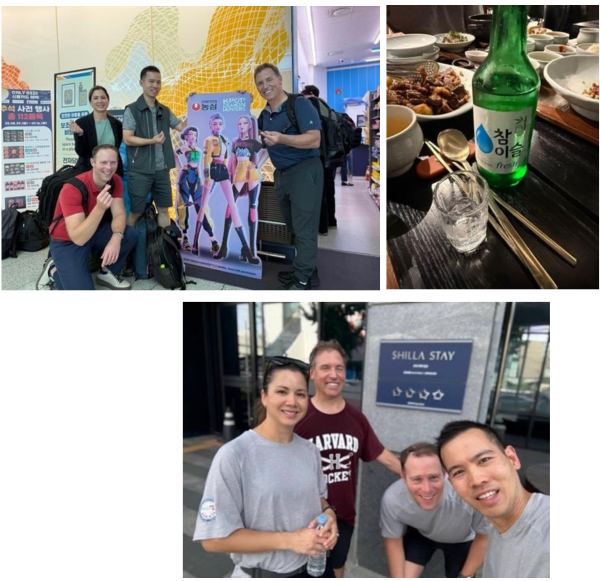
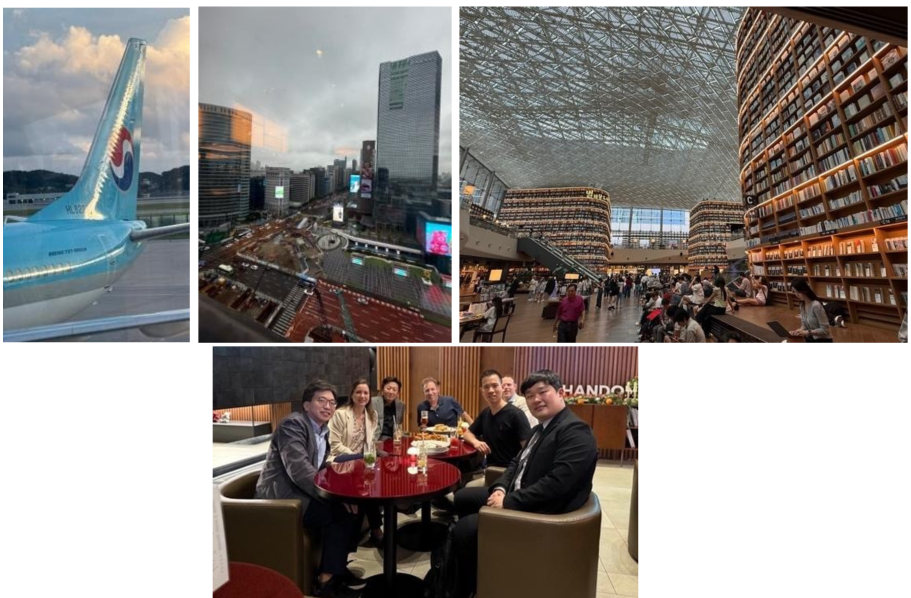
We arrived at Incheon International Airport (인천국제공항) on the evening of September 1st and met Dr. Hyunkwon Kim (김현권), a fellow from Seoul National University (서울대학교). Later, at the hotel bar, Prof. Chong Bum Chang (장종범) and his distinguished mentee Prof. Moon Jong Chang (장문종) joined us for drinks. Over casual conversation, they introduced us to Korea’s medical landscape, food culture, and unique drinking customs.
Prof. Moon Jong Chang served as a central organizer for our visit. Despite carrying the triple responsibilities of clinical practice, research, and teaching at the medical center, he still managed to host us with remarkable warmth and attention.
Inside the Top Orthopedic Sports Medicine Centers in Seoul Surgery and “Korean Love”
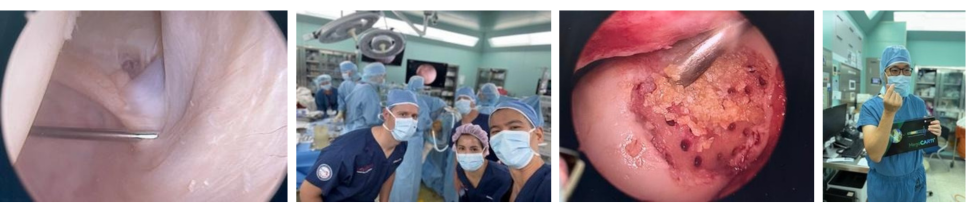
Early the next morning, we visited the globally recognized Seoul National University Boramae Medical Center (서울대학교 보라매병원) and Kyung Hee University Hospital (경희대학교병원) to observe surgeries. We quickly noticed a shared surgical philosophy across many sports-medicine surgeons in Seoul: exceptional proficiency in using posterior arthroscopic portals to operate at the back of the knee. Their portals tend to be positioned slightly lower, reducing obstruction from the femoral condyles and improving instrument reach.
Prof. Moon Jong Chang (장문종) began with an arthroscopic Baker’s cyst excision, removing the posteromedial one-way valve with a shaver to allow natural drainage. Their reported recurrence rate is extremely low. He then performed a cartilage-defect restoration using MegaCART, a Korean-developed implant for augmented microfracture. Although Korea imports implants from abroad—including from the U.S.— MegaCART is deeply “loved” by many Korean surgeons.
Prof. Chang also introduced us to the three iconic “Korean Love” heart gestures:
• the two-finger small heart,
• the double-handed medium heart, and
• the two-person big heart by joining hands!
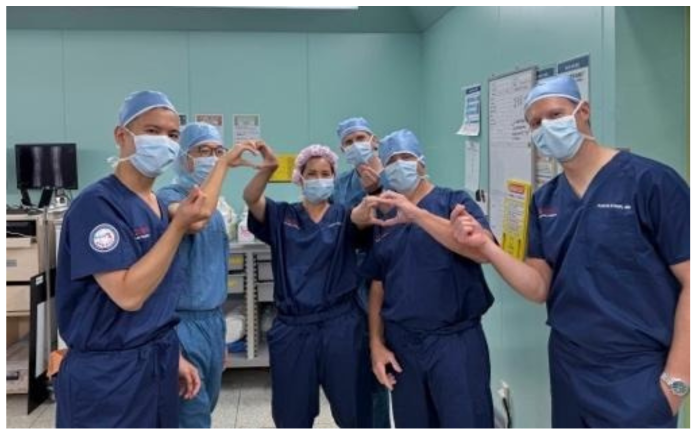
These gestures have spread across Asia and even into American youth culture through K Pop—another reminder of Korea’s extraordinary marketing power and cultural influence.
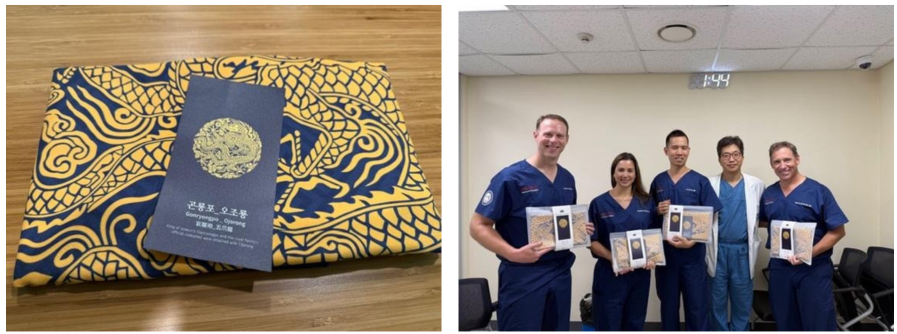
After our lectures later that morning, Prof. Moon Jong Chang surprised each of us with a rare silk sash embroidered with the emblem of the Korean king: Gonryongpo (곤룡포). This limited-edition item frequently sells out in Korea—and we were astonished to learn that he and his secretary had lined up late at night to secure these special gifts for us.
Surgical Excellence Across Seoul
The following day, we observed Prof. Sang Hak Lee (이상학) performing a meniscus repair. Their fluid command of posterior portals made the procedure resemble a shoulder labral repair—delicately stitching the meniscus, one suture at a time. Although all-inside repair devices are available, Korean surgeons often prefer this fine suturing technique for complex cases to ensure the highest-quality repair.
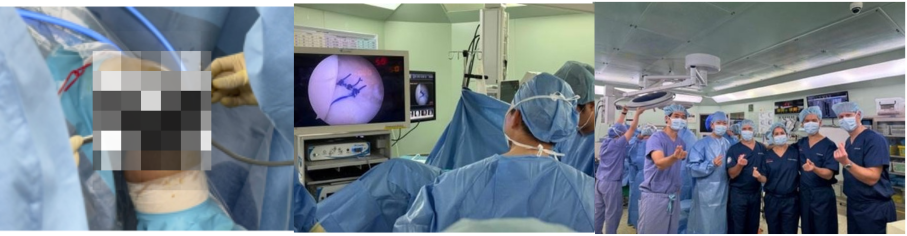
Next, we visited the adjoining OR to watch Prof. Kyoung Ho Yoon (윤경호) perform a meniscus-root repair combined with hamstring-autograft ACL reconstruction. As the current APKASS President, Prof. Yoon is a unifying figure in Seoul’s sports-medicine community and was deeply committed to hosting our visit.
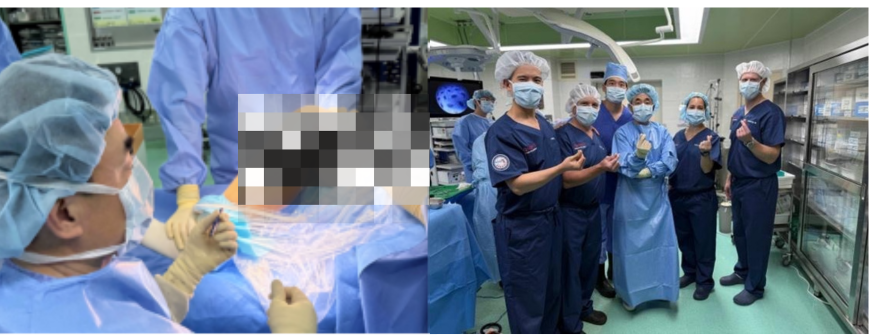
A Remarkably Coordinated Operating Room
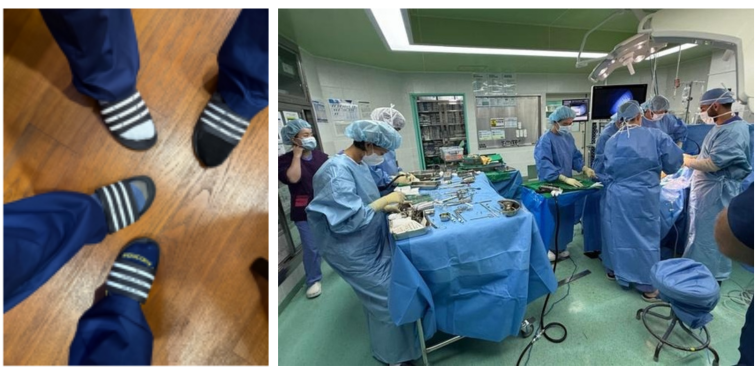
Like several Asian academic centers we visited, SNU’s ORs were filled with personnel— international fellows, Korean fellows, residents, medical students, and multiple circulating and scrub staff. Even the youngest team members demonstrated impressive familiarity with surgical flow, often handing instruments before the surgeon requested them. If anything was missing, the circulating nurse would literally sprint to retrieve it.
Their professionalism was striking—Brian even joked about recruiting their scrub nurses to his ASC in Boston. We also noticed many staff wearing open-toe surgical slippers, a detail we had not seen elsewhere.
Cultural Immersion—Palaces & Traditions
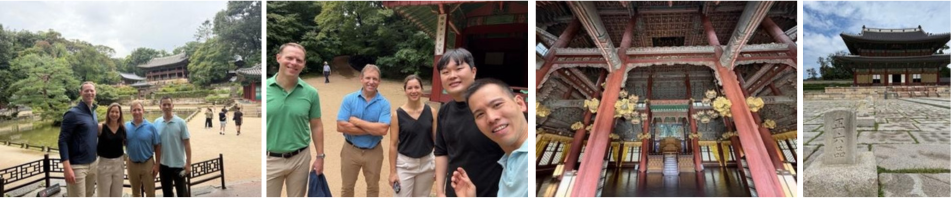
Between surgeries, Dr. Hyunkwon Kim (김현권) devoted an entire morning to guiding us through one of Korea’s royal palaces. We walked across the grand courtyard where kings once held court, visited the examination grounds for the traditional civil-service exams, and explored royal living quarters.
Dr. Kim narrated the history of the Korean peninsula with astonishing detail. Only later did we discover he had stayed up all night reviewing historical facts—despite the demands of his clinical duties. His effort was yet another testament to Korea’s culture of diligence, respect, and hospitality.
“Beauty Hub” of Asia
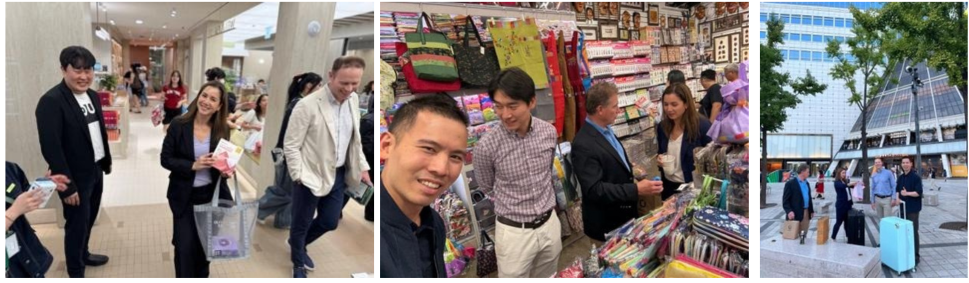
When our luggage reached its limit, another gracious host, Dr. Dae Keun Suh (서대근), led us to a department store where we bought a Korean-made suitcase—secured at a much lower price thanks to his negotiating skills.
Korea’s dominance in beauty products and cosmetic surgery—the heart of the global “K Wave”—was evident everywhere. The dazzling array of skincare and cosmetic items was impossible to resist, and we inevitably purchased more than we intended.
Private Practice Excellence
Prof. Kim’s Allograft Masterclass
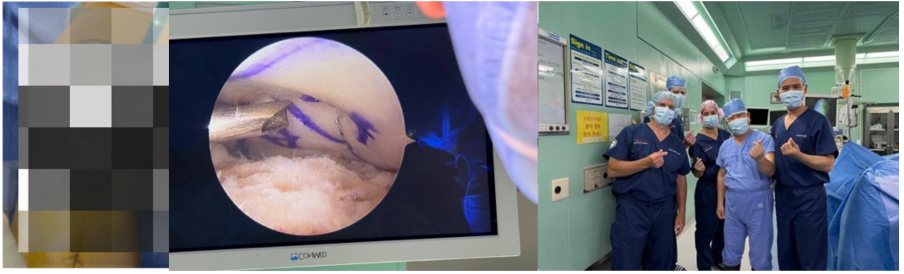
On our final day, we visited a private hospital in Incheon (인천, 仁川) to observe Prof. Jin Goo Kim (김진구) perform an allograft meniscus transplant. He has devoted many years to both clinical and research work in this field, performing over 100 transplants annually.
We quickly saw why: he completed an allograft medial meniscus transplant in under one hour, with flawless efficiency and every single moment in the flow. His team functioned with astonishing coordination, supported by a senior scrub technician highly skilled in graft preparation. They joked about their ongoing “race”—whether the graft would be ready first or the knee fully prepared.
Prof. Kim’s team showed remarkable loyalty, in part because he actively advocates for their well-being, often negotiating with the hospital for better terms and compensation. A high-performing team, after all, benefits both surgeons and the institution.
Cuisine, Connections, and Closing Reflections
Korean Barbecue, Soju, and New Friendships
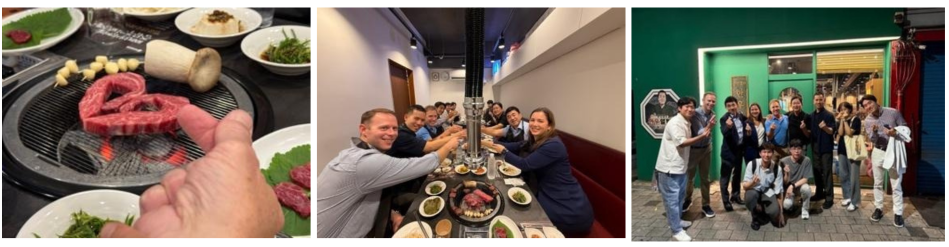
Throughout our visit, we enjoyed authentic Korean cuisine—delicious Korean barbecue (with the best beef cut shaped like a heart!), kimchi seafood tofu stew, grilled short ribs, and an assortment of side dishes that filled the table each meal. Korean chopsticks and spoons are slightly longer than those in Japan or China, and soju remains central to Korea’s drinking culture, although sake and beer still have their roles.
One evening, we unexpectedly met Major Ulmer, a U.S. Army orthopaedic surgeon stationed in Korea. His Korean wife—and his fluent conversational Korean—added a warm and familiar touch to our time together.
Seoul National University—A Symbol of Excellence and Honor
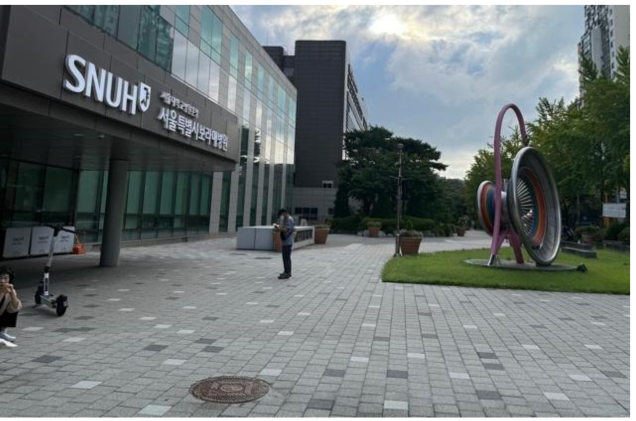
We came to appreciate that Seoul National University (서울대학교) is one of the most prestigious academic institutions worldwide. Although Seoul’s cost of living can be daunting, securing a position at SNU—especially as a professor—is not only recognition of one’s academic and surgical expertise but also a mark of social prestige in Korea.
Farewell to South Korea
On our final evening, after exchanging gifts and heartfelt goodbyes, we promised to reunite at future international meetings. Our journey through Korea was a memorable blend of surgical mastery, cultural depth, and genuine friendship—an unforgettable chapter of our traveling fellowship.
Japan (日本)
Sept 5 – Sept 14, 2025
Japan was the country where we spent the longest portion of our traveling fellowship. As a nation of islands, its territory consists mainly of the “four major islands”: Honshu (本州), Hokkaido (北海道) to the north, Shikoku (四国), and Kyushu (九州) in the south. Kyushu lies close to Okinawa (沖縄 / 琉球), and throughout history the two regions have influenced each other deeply in culture, cuisine, music, traditions, and language.
Just like in the United States—where each state has its own history, culture, idioms, and accent—Japan’s regions and cities each have their own local stories, unique dialects, and signature foods. Historically, ancient Japan was composed of multiple small kingdoms. A unified imperial rule—the Yamato Court (大和朝廷)—was first documented in the 4th century AD.
Early Japan was heavily influenced by Chinese culture: from chopsticks, to the large number of kanji (漢字) still used in modern Japanese, to Confucian ideals of hierarchy, respect for elders, and centralized rule under an emperor. During the Heian period (平 ¶時代), the imperial capital moved to what is now Kyoto (京都), where much of early Japanese culture blossomed and still remains today.
Later, Japan entered a feudal era similar to medieval Europe. Power struggles among emperors, regional warlords, daimyo (大名), and religious authorities eventually led to the rise of the samurai class (similar to knights in Europe) and the establishment of the shogunate (幕府) system, where the shogun (将軍)—the most powerful daimyo—held actual political authority while the emperor remained a symbolic figure.
The era of Japan’s three major shogunates—Kamakura (鎌倉), Muromachi (室町), and Edo (江戶)—revealed some of Japan’s most famous legends: Oda Nobunaga (織田信長) overthrew the Muromachi shogunate before being assassinated; Toyotomi Hideyoshi (豊臣秀吉) rose from humble origins to unify Japan, only for the country to fall under the influence of Tokugawa Ieyasu (徳川家康) after his death; The Tokugawa Shogunate (徳川幕府) ushered in centuries of peace during the Edo period, when the capital was in Edo (江戸)—modern-day Tokyo (東京).
This is why Kyoto still preserves early imperial history, while Tokyo carries more of the imprint of samurai governance. The early Edo period also produced Japan’s most legendary undefeated swordsman: Miyamoto Musashi (宮本武蔵). During the early Edo period, Japan adopted a policy of isolation, which lasted until the late shogunate. This was followed by the Meiji Restoration (明治維新), during which the samurai class dissembled, imperial rule was restored, and Japan rapidly modernized through broad engagement with Western nations.
Japanese Cultural Values
Like many East Asian societies, diligence and perseverance form a core part of the Japanese spirit. Many Japanese people still embody a modern interpretation of Bushido (武士道)—loyalty to family and workplace, teamwork toward shared vision, quiet endurance, and never giving up.
Despite their inner strength, Japanese people are typically humble, polite, and extraordinarily attentive to details. This dedication is visible everywhere—from home product design, to surgical precision, to the meticulous planning for our visit to Japan. It is no surprise that Japan achieved rapid post–World War II recovery and growth.
Japan has earned more Nobel Prizes than any country outside Europe and North America. Highlights include:
● Hideki Yukawa (湯川秀樹) — Nobel Prize in Physics, 1949
● Shinya Yamanaka (山中伸弥), who is an orthopedic surgeon — Nobel Prize in Physiology or Medicine, 2012, for iPS cell discovery in the area of stem cell research
● Shimon Sakaguchi ((坂口志文), who is a physician — Nobel Prize in Physiology or Medicine, 2025, for groundbreaking work in immunology
Medicine and Training in Japan
Like Seoul, Taipei, and Singapore, major Japanese metropolitan areas are densely populated with high living costs and intense academic and professional competition. Orthopedic training in Japan typically lasts longer than in the U.S. After residency, many orthopedic surgeons pursue a PhD in their subspecialty before or during fellowship. As a result, at major academic centers, nearly every orthopedic attending is both MD and PhD.
Japan’s traditional academic structure includes the concept of the “ikyoku (医局)”—a professor-led system where each full professor oversees associate professors, assistant professors, and junior staff, coordinating clinical responsibilities and career development like the head of a family. This hierarchical, top-down structure is reminiscent of the historical shogunate system in Japan, in which a single shogun exercised ultimate authority and subordinates were expected to follow his decisions. A department may have multiple professors each with their own ikyoku, but there is usually a single chair (full professor) who leads the orthopaedic ikyoku and holds primary authority over personnel decisions. Historically, an ikyoku covered all subspecialties, but in recent years some have become more focused (e.g., sports medicine…).
Because full professor positions are limited, not every associate professor will eventually become a full professor. In practice, only the selection of full professors tends to be highly competitive, with candidates drawn from both inside and outside the university, whereas other professor positions are usually filled through internal promotion, creating its own complexities and politics, famously portrayed in the novel and TV series “Shiroi Kyoto (白い巨塔, The Great White Tower)”.
Our Japan Tour Route
Our journey through Japan took us to three regions:
1. Kitakyushu (北九州), Fukuoka Prefecture (福岡県), Kyushu (九州)
2. Kobe (神戸), Hyogo Prefecture (兵庫県), Honshu (本州)
3. Tokyo (東京) — our final destination
Kitakyushu (北九州), Fukuoka (福岡)
September 5–9, 2025
Our first stop in Japan was Kitakyushu (北九州). We met Yoichi Murata (村田洋一) and Dr. Hokuto Fukuda at Fukuoka Airport (福岡空港), and from there we headed together to a hotel adjacent to the Kitakyushu train station.
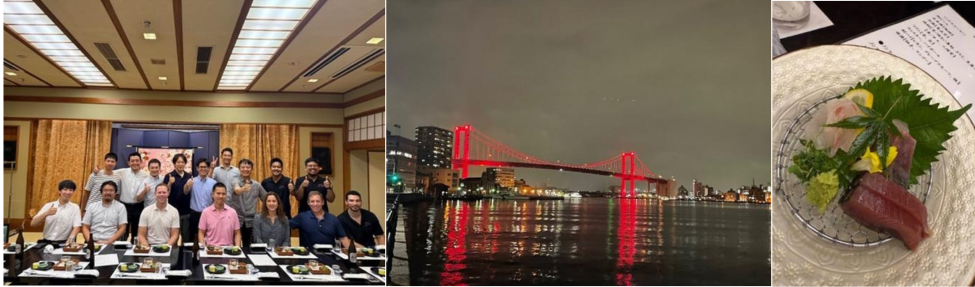
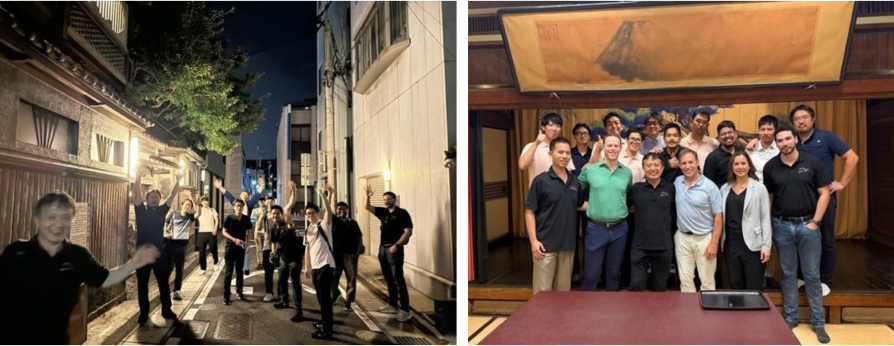
Our host was Professor Soshi Uchida (内田宗志), head of Sports Medicine at the Wakamatsu Hospital of the University of Occupational and Environmental Health (産業医科大学若松病院)—one of the nation’s most respected centers. He welcomed us with a traditional Japanese dinner featuring incredibly fresh sashimi and sushi; some fresh catch, as we were told, are found only in this part of Japan. Following custom, we learned how to toast “Kanpai (乾杯)!” and raise our arms in the celebratory cheer “Banzai (万歳)!”
Around twenty members of Prof. Uchida’s team joined the welcome dinner. They introduced themselves one by one according to seniority, a reflection of Japan’s longstanding academic etiquette. Prof. Uchida is well known internationally and frequently lectures abroad. The passionate sports medicine surgeons in the team included:
Drs. Yoichi Murata ((村田洋一), Shinichiro Takada (高田真一郎), Hirotaka Nakashima (中島裕貴), Hokuto Fukuda (福田北斗) who takes care of Rugby teams, Naoto Kamimura (上村直人), Keisuke Nakayama (中山圭介). The team also has two international fellows — Dr. Yusuf Reksoprodjo from Indonesia and Dr. Mico Saturnino from the Philippines. Although we did not visit their home countries on this fellowship, we learned a great deal from them about orthopedic care in Southeast Asia.
Running with Prof. Uchida & Exploring Local History
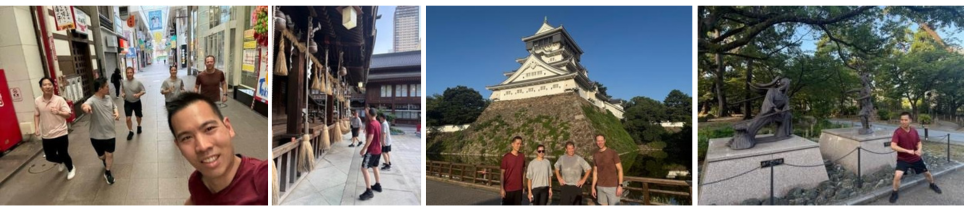
Despite his busy schedule, Prof. Uchida joined us every morning for a run and breakfast. He brought us to Kokura Castle (小倉城) and taught us how to properly offer prayers at a Shinto shrine (神社)—a place of Japan’s indigenous animistic faith, distinct from Buddhism or Taoism.
Outside Kokura Castle stands a sculpture commemorating the legendary duel between two iconic swordsmen, Miyamoto Musashi (宮本武藏) and Sasaki Kojiro (佐々木小次郎). This sparked a short conversation about Japan’s feudal history and the philosophy of Bushido, which continues to influence Japanese culture today.
Surgery Observations at Wakamatsu Hospital
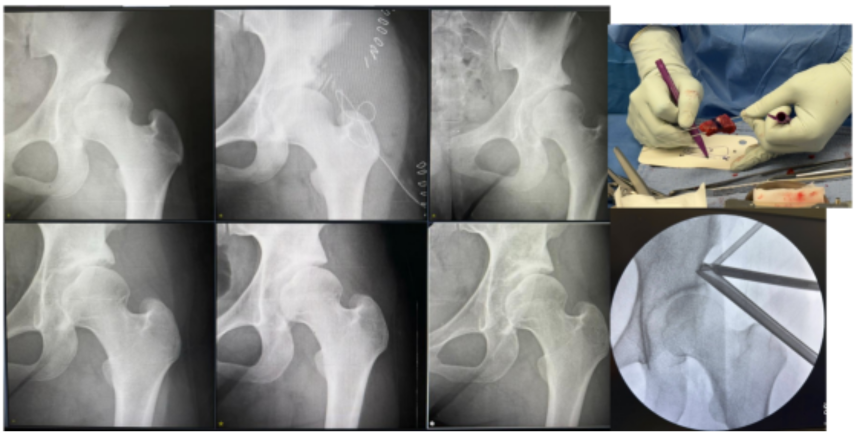
Inside Wakamatsu Hospital, Prof. Uchida generously accommodated our request to observe hip surgeries—one of his internationally recognized areas of expertise.
He performed:
1. Hip arthroscopic labral reconstruction using IT band autograft
2. Endoscopic shelf acetabuloplasty using iliac crest autograft for a young woman in her early twenties with hip dysplasia
In the United States, shelf acetabuloplasty is usually viewed as a salvage procedure, while peri-acetabular osteotomy (PAO) is considered one of the standards for adolescents and adults with acetabular dysplasia. However, Prof. Uchida showed us long term follow-up cases demonstrating that, although the hip initially appears to have only a “wall” built for containment, over time the biomechanics encourage gradual remodeling—resulting in a congruent joint and excellent postoperative function. Both operations were completed smoothly, each in roughly two hours.
He concluded the session with a conventional hip arthroscopy, while next door Kazuha Kizaki (木崎和葉)—who had traveled from Tokyo just to join the team—performed an arthroscopic anatomical glenoid reconstruction (AAGR): glenoid bone grafting and Bankart procedure.
Between cases, we learned that Prof. Uchida had even performed hip arthroscopy on sumo wrestlers. When we asked whether the scope was ever too short for such large athletes, he laughed and reminded us of a paper he had published earlier: he solved the problem by using a cystoscope.
Lunch, Local Flavor, and Kitakyushu Soccer
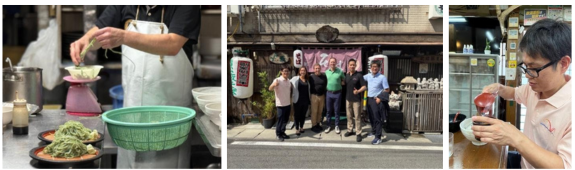
For lunch, Kazuha and Yoichi took us to a century-old soba shop hidden in a back alley. The craftsmanship was extraordinary—so much so that Brian slipped into the kitchen to ask questions and ended up helping roll soba noodles, nearly delaying the restaurant’s workflow.
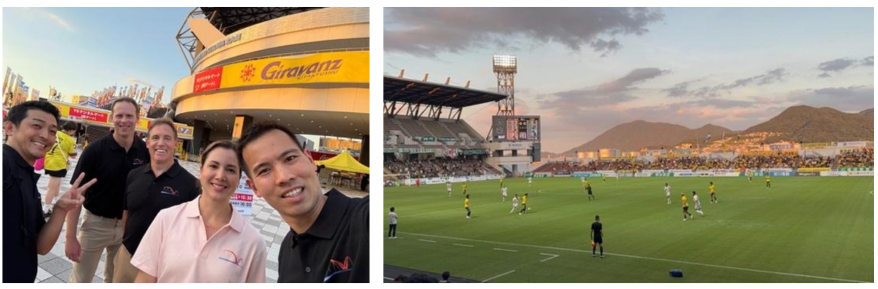
That evening, thanks to our hosts, especially Prof. Uchida and the team doctor: Shinichiro Takada (高田真一郎), we attended a home game of the local soccer team, the Giravanz Kitakyushu (ギラヴァンツ北九州)—whose name “Giravanz” means “sunflower.” The stadium is built along the foothills of the western mountains, allowing us to watch the match while enjoying a stunning sunset.
Hiroshima (広島) & Miyajima (宮島)
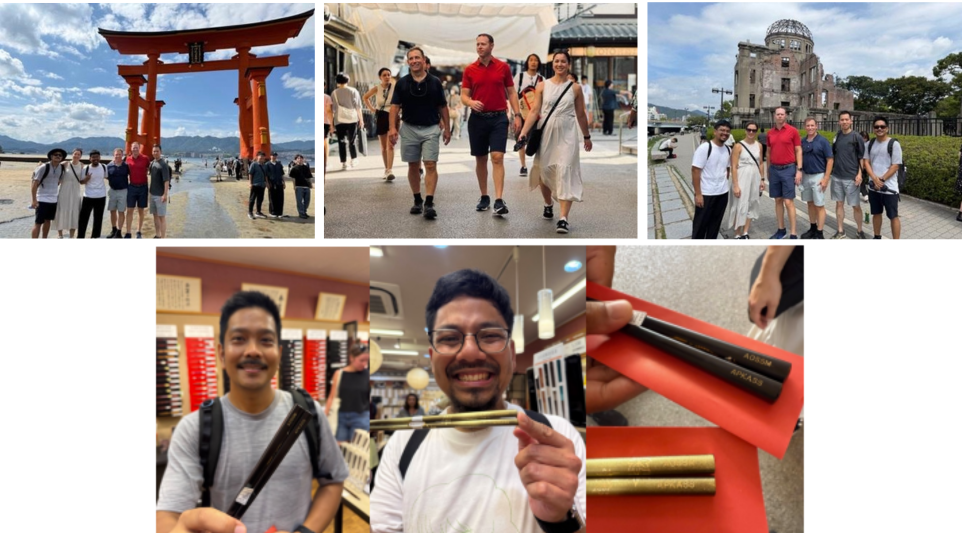
One full day was devoted to visiting Hiroshima’s Atomic Bomb Hypocenter (原爆中心). The museum provides a detailed, sobering account of the devastation and the city’s long rebuilding process. Much of what we now understand about radiation-related occupational hazards and cancer risks comes from long-term follow-up of survivors. We felt that history, whether individual or global, is a process of learning from past decisions and mistakes—just as our training as orthopedic surgeons is built on cumulative experience and reflection.
Later we took a ferry to Miyajima Island (宮島), where the famed Itsukushima Shrine (嚴島神社) appears to float upon the sea during high tide. During low tide, we were able to walk directly to its base. As a gesture of appreciation, we gifted Mico and Yusuf each a pair of engraved chopsticks—one stick bearing “AOSSM,” the other “APKASS”—a small but symbolic token reflecting Asian hospitality traditions!
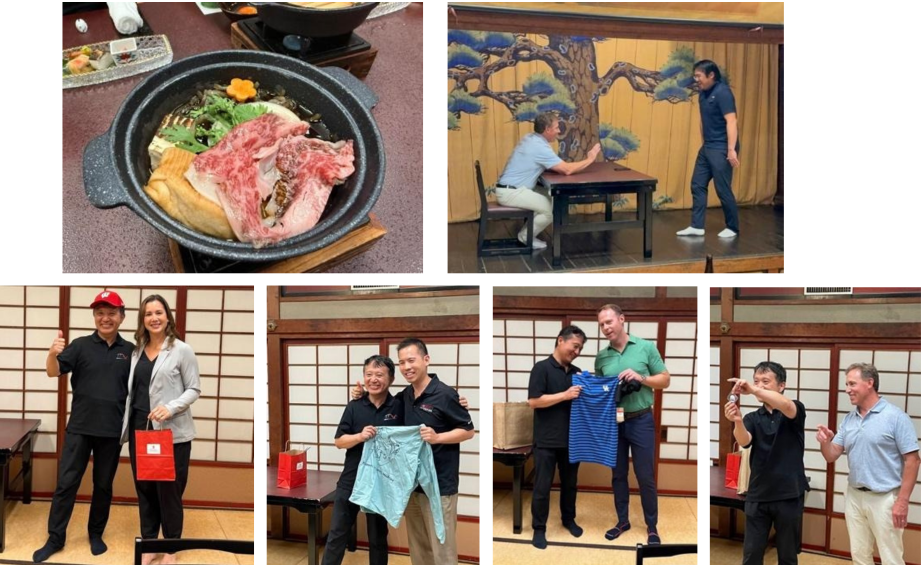
Dinner that evening featured another Japanese classic: sukiyaki (すき焼き). Thin slices of premium beef simmered in delicate broth—truly unforgettable. Midway through dinner, the younger doctors performed a full theatrical skit: Manzai (漫才), and Brian couldn’t resist joining the stage for an improvised scene. Later we learned that these residents had slept barely two hours over the past two nights—working full days in the hospital, then rehearsing until nearly dawn to ensure we would enjoy the performance. Their dedication embodied the Japanese spirit of craftsmanship and meticulous perfection and Japanese hospitality, and we were deeply moved.
Sending Ahead Our Luggage & Departing Kitakyushu
Thanks to Japan’s highly efficient takkyubin courier services (宅急便), we shipped our large suitcases directly from our current hotel to the next hotel. Learning that we will meet Prof. Uchida again later in Tokyo (東京), we boarded the Shinkansen (新幹線) and headed to our next destination: Kobe.
Kobe (神戸)
September 9–11, 2025
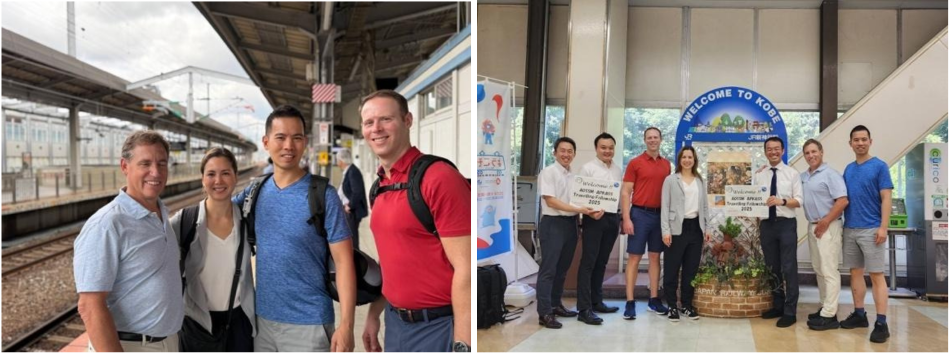
Stepping off the Shinkansen in Kobe (神戸), we were greeted immediately by the warm smiles of Dr. Yuichi Hoshino (星野祐一) and Dr. Koji Nukuto (抽冬晃司), along with several energetic young surgeons from their team. Kobe Station opens into a lively urban hub framed by gentle green hills, and our hotel—connected directly to the station— gave us a sweeping view of the city.
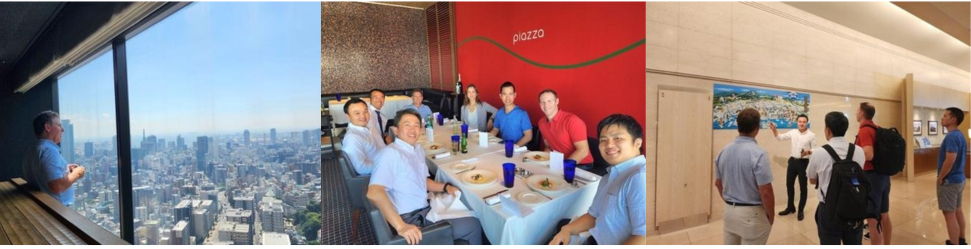
Knowing that we had eaten our way enthusiastically through every stop in Asia so far, our Kobe hosts thoughtfully chose a modern Italian-Japanese fusion restaurant for our first meal—light, creative, and perfect for a balance in between authentic Asian meals. From the upper floors of the hotel, we could see the long arc of central Kobe below us, and further in the distance sat Osaka (大阪), just two to three hours away by train, with its skyline more modern and densely packed.
Over lunch we exchanged stories about our experiences so far in Hong Kong (香港), China (中国), and South Korea (韓国). The conversation naturally drifted toward medical training systems. Because Japan and Taiwan (台湾) share portions of their early history, Alvin explained how Taiwan’s original hospital system model—before WWII—resembled the Japanese ikyoku (医局) system, and how it later transitioned to the American-style structure used today.
We also discussed a common theme across Asia: young people face intense academic pressure, often tied to competitive “joint college entrance exams” inherited from traditional civil service examination systems stemmed from China. In contrast, U.S. medical education relies heavily on holistic admissions—but the competition to become a physician, especially an orthopedic surgeon, is every bit as competitive and intense. From there, the conversation broadened to how social media has reshaped global political climates, and how shifts in U.S. foreign policy have subtly influenced relationships across the Indo-Pacific region.
Kobe Steelers: A Glimpse Into Japan’s Rugby World
Rugby is one of Japan’s strongest sports, and we were fortunate to tour the training facility of the Kobelco Kobe Steelers (コベルコ神戸スティーラーズ), one of Japan’s legendary professional rugby teams. When the team was founded in 1930, all players were full-time employees of Kobe Steel Company (神戸製鋼).
Today, the roster consists primarily of professional athletes, including several international players—but the organization maintains its historic roots by keeping a small number of company employees on the team. On the surrounding fields, youth rugby and soccer programs were in full swing, reinforcing the importance of sport to the local community.
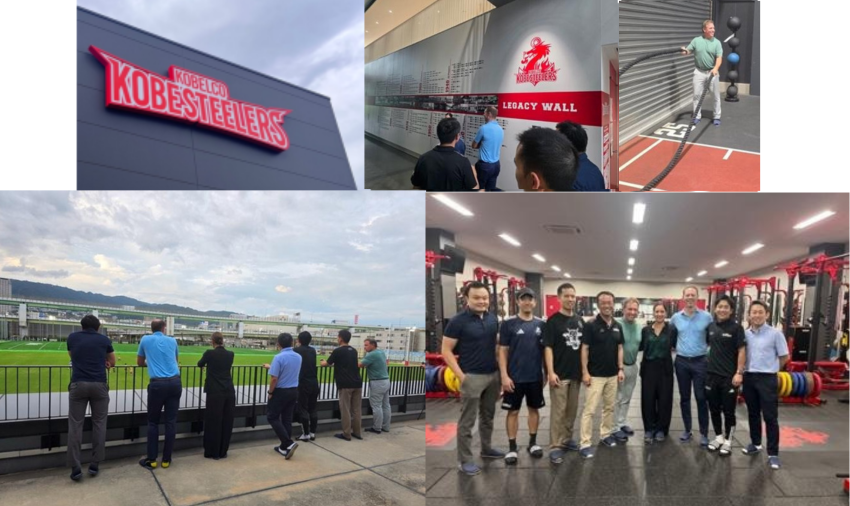
Meeting the Kobe Orthopedic Team
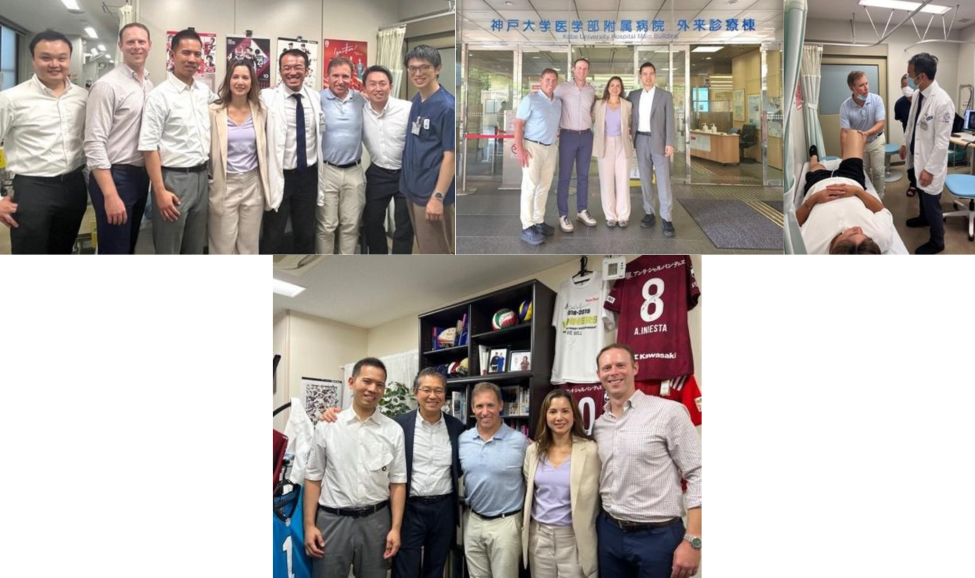
The leader of sports medicine at Kobe University (神戸大学) is Professor Ryosuke Kuroda ((黒田良祐), a deeply respected figure across Japan. After visiting his office and learning about the history of the orthopedic department, we joined his team in clinic. His team is large and vibrant, including mid-career attendings like Yuichi and Koji, along with a group of exceptional young sports medicine surgeons: Drs., Kanto Nagai (長井寛斗), Kyohei Nishida (西田京平), Yuta Nakanishi (中西雄太), Naosuke Nagata (長田尚介), Shohei Sano (佐野翔平), Masamune Kamachi (蒲池正宗), Shin Yoshida (吉田慎), Atsuki Tanaka (田中惇貴), Ryo Okada(岡田亮), Toshiharu Takami (高見俊治), Ryota Shimozono (下薗涼太).
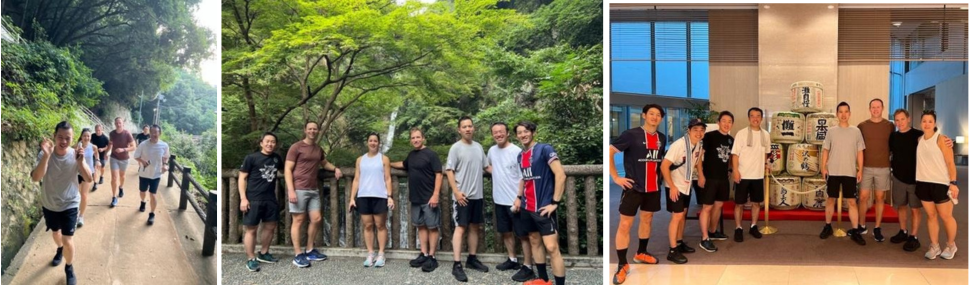
Keeping with our team’s tradition, we started the morning with a run together—this time joined by the orthopedic team from Kobe University. As it happened, a beautiful hillside sat just behind our hotel (just next to the Kobe Shinkansen Station), complete with several elegant waterfalls. The steady uphill jog proved quite a challenge for us middle-aged travelers, but with such stunning scenery (and the sight of energetic seniors doing their morning exercises along the way!), it was absolutely worth it.
Japan developed a national calisthenics program many years ago known as radio taiso, designed to promote daily exercise among the general public. Adapted from early 20th century American fitness routines, it has long been woven into Japan’s cultural fabric. During our run, we saw several groups practicing similar morning exercises—another charming glimpse into local life.
Their clinic was impressively busy. Two of Yuichi’s patients were professional female rugby players—one had previously undergone a double-bundle hamstring autograft ACL reconstruction, sustained a retear, and then had a successful revision ACL surgery with a patellar tendon–bone autograft. They also treat pediatric athletes. Right before we arrived, the team had reviewed the MRI of an eight-year-old boy scheduled for a meniscus root repair the next day.
Despite the heavy workload, each attending handled almost everything by themselves: seeing and examining the patients as well as doing all the charts, and—if the patient was part of a research project—data collection as well. Academic hospitals in Japan are deeply respected, offering unparalleled surgical training and academic mentorship, but compensation is often only modest. Many attendings therefore take weekend or weekday shifts at private hospitals or clinics, where the workflow is efficient and support staff more plentiful —much like in the United States.
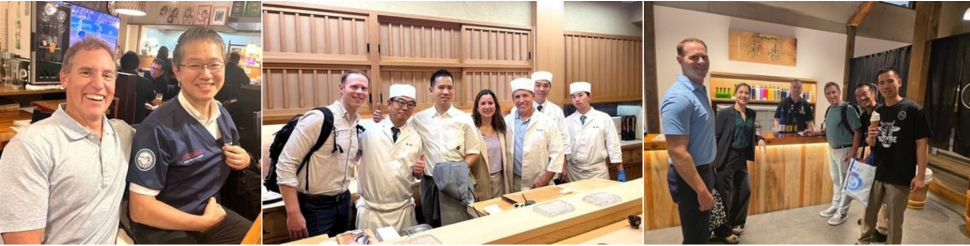
During our time in Kobe, we were also honored to visit one of Japan’s world-renowned sake breweries and to enjoy hand-crafted nigiri prepared by the sushi master on site. True to his adventurous youthful spirit, Brian couldn’t resist slipping behind the counter to ask the chef a few questions! We were told that, until that day, the chef had never allowed anyone to step past the sushi bar into his kitchen.
In the Operating Room
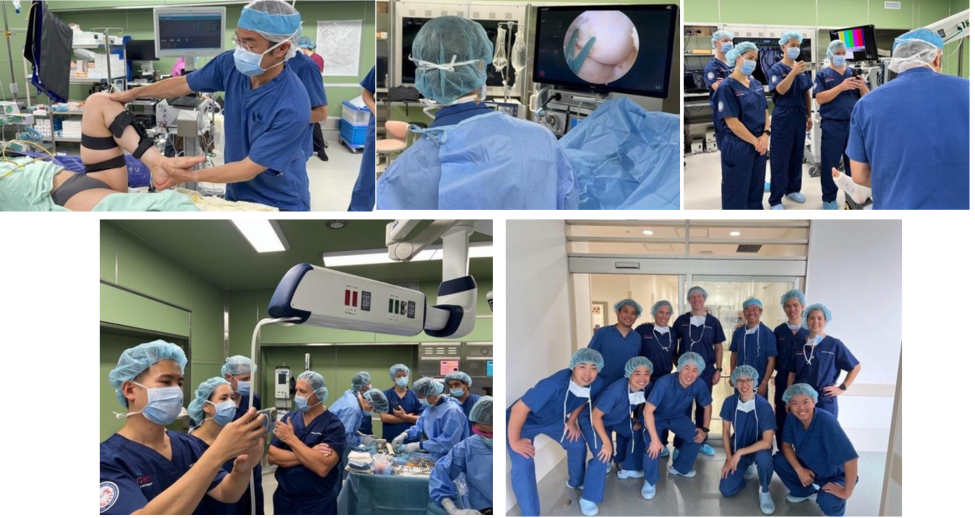
The next morning, we joined Yuichi in the OR for an ACL reconstruction. Before the patient was draped, the team performed a comprehensive examination under anesthesia and simultaneously collected research data using Bluetooth-connected wireless sensors— a slick integration of clinical research into the surgical workflow.
In Japan (and parts of Asia), daily life includes kneeling or sitting, sometimes on tatami mats, but often on hardwood floors and perhaps even tile floors. Because of this, patellar tendon–bone autografts are less popular than in the U.S., where anterior knee pain after harvest is less problematic. At Kobe University, the primary technique for ACL reconstruction remains double-bundle hamstring autograft reconstruction.
In the U.S., double-bundle ACL reconstruction has gradually declined over the past decade, with the tide going toward anatomic single-bundle techniques. But in Japan, a significant proportion of surgeons believe double-bundle reconstruction offers superior biomechanics. Differences in anatomy, lifestyle, and types of sport participation may play a role in this — and this diversity of practice is precisely why traveling fellowships are so valuable. What we view as “best practice” today in the U.S. today may not be the best in other areas, and all this may change with new evidence tomorrow.
In a fun twist, we discovered that the graft preparation station used at Kobe University was originally co-invented by our very own Brian years ago—earning him instant celebrity status in the OR.
Kobe Beef: A Culinary Pilgrimage
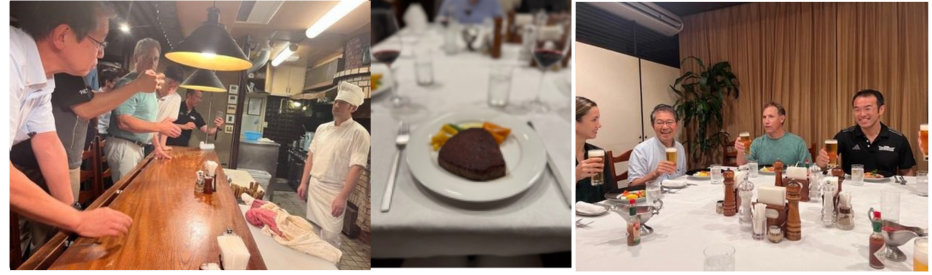
That evening, our hosts treated us to an unforgettable dinner at Miyasu Restaurant, famous for serving authentic Kobe Beef (神戸牛)—one of the finest varieties of Wagyu (和牛) in the world. Only cattle raised according to strict standards within Kobe can be certified. Their diet, environment, daily routines, even relaxation—music, massages to the cattles, and stress-minimized handling—are all carefully controlled to create the exceptionally tender and marbled beef Kobe is known for.
None of us had ever tasted anything like it. Every bite felt like it melted on the tongue. We unanimously agreed it was the best beef any of us had eaten in our lives. The meal ended with classic Japanese curry—something Professor Kuroda had nostalgically enjoyed at the same restaurant since his youth.
After dinner, the entire team headed to a nearby karaoke bar. To our delight, Professor Kuroda and several members of his group were remarkably talented singers. Watching the team interact, joking and cheering each other on, it was clear that they were more than colleagues—they were a family.

A Morning of Karate
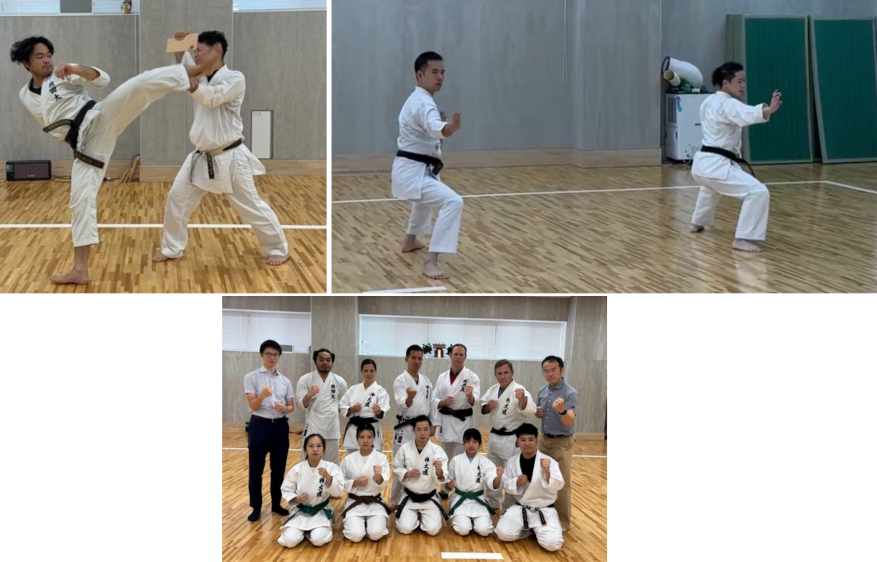
The next morning, Yuichi took us to visit the Kobe University Karate Dojo (空手道場). Karate originated in Okinawa (沖縄) before being brought to mainland Japan and officially recognized by the Dai Nippon Butoku Kai(大日本武道會)in the 1930s; its practitioners later spread the art worldwide. In 2020, karate made its debut as an Olympic sport at the Tokyo Summer Olympics.
Following dojo etiquette, we began by kneeling and meditation—an immediate reminder of why PTB autografts are less popular in Japan. We watched students perform board breaking and kata (型): fluid sequences of strikes, blocks, and grappling techniques designed for rehearsing against imaginary opponents.
Alvin, who holds black belts in two different karate styles, couldn’t resist joining the training. He performed the kata “Seipai (十八)” with their sensei and even practiced some light sparring. Instead of triumphing over others, Karate emphasizes self-discipline & improvement, mastery of one’s own mind, focusing in the moment, and calm under pressure—values deeply aligned with the training of a surgeon.
Farewell to Kobe
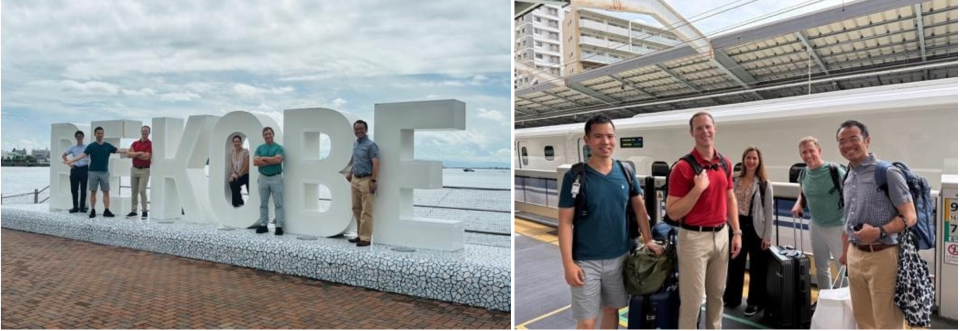
We ended our Kobe stay by taking group photos along the waterfront where Noevir Stadium Kobe sits, home of the Kobe Steelers and the Vissel Kobe soccer club. After packing up at the hotel, Yuichi joined us on the Shinkansen as we made our way toward the final stop of our fellowship journey: Tokyo.
Tokyo (東京)
9/11–9/14, 2025
Tokyo, the modern capital of Japan, is a city of extraordinary scale and energy. The Greater Tokyo Area—counting its surrounding prefectures—has a population of roughly 41 million people, making it one of the most populous metropolitan regions in the world. It has repeatedly ranked among the highest in East Asia in terms of living standards, real estate prices, and overall cost of living—comparable to cities like New York or Los Angeles in the United States.
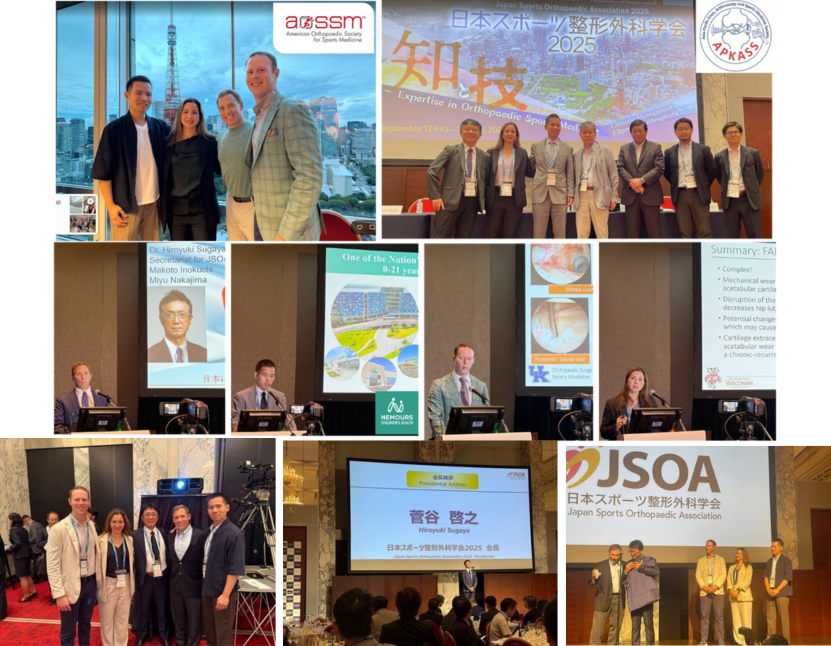
Our primary agenda in Tokyo was to participate in the 2025 Annual Meeting of the Japan Sports Orthopaedic Association (JSOA), the Japanese counterpart to the AOSSM Annual Meeting in the U.S. Like APKASS, JSOA has evolved through multiple historical phases, including periods of merger and separation from adult joint reconstruction societies. This year marked only the third JSOA Annual Meeting—yet the organization was full of momentum, driven by the leadership of Professor Hiroyuki Sugaya (菅谷啓之).
Prof. Sugaya has been a strong advocate for international collaboration. Many symposia were conducted in English, and several sessions featured simultaneous Japanese–English translation—an extraordinary effort that reflects how globalization has been happening in sports medicine.
At the conference, we reunited with familiar faces from earlier stops on our trip: Professor Patrick Yung and the CUHK team, Professor Soshi Uchida and Team Kitakyushu, Professor Ryosuke Kuroda and Team Kobe.
We also reconnected with several American colleagues, including Dr. Rachel Frank, Dr. Matthew Provencher, and Dr. Christopher Cross from the Mayo Clinic, who presented on SI joint treatment strategies. International scholars filled the venue—among them Dr. Yi-Sheng Chan (詹益勝) and Dr. Chih-Hao Chiu (邱致皓) from Taiwan, and Dr. Bancha Chernchujit and Dr. Chanakarn Phornphutkul representing TOSSM (Thai Orthopaedic Society for Sports Medicine).
In the final talk we gave in JSOA, we ended our last slide with a special message of gratitude to all of our hosts across Japan for taking care of the AOSSM Traveling Fellows — proudly led by “Sensei Busconi.” Interestingly, in Japanese, the word Sensei (先生) is an honorific used to address teachers (including instructors in martial arts), but it is also the traditional term of respect used to address physicians. The double meaning made it the perfect title for Brian — our teacher, mentor, and team leader throughout the entire fellowship.
JSOA truly felt like a grand reunion—an Asian “all-stars” gathering of sports medicine!
Exploring Tokyo Amid Exhaustion and Momentum
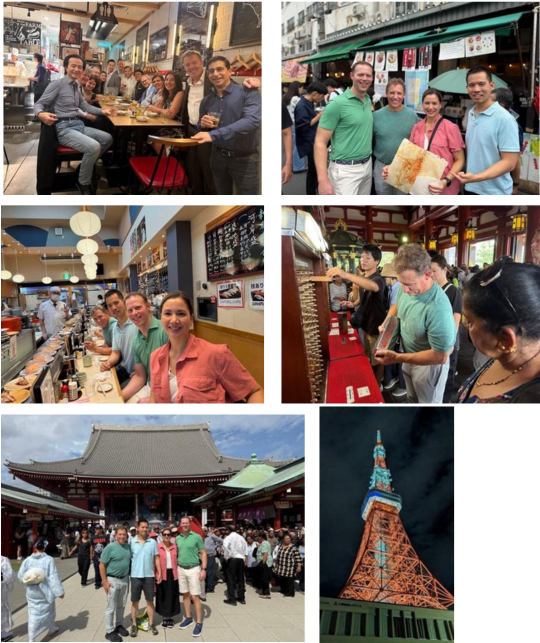
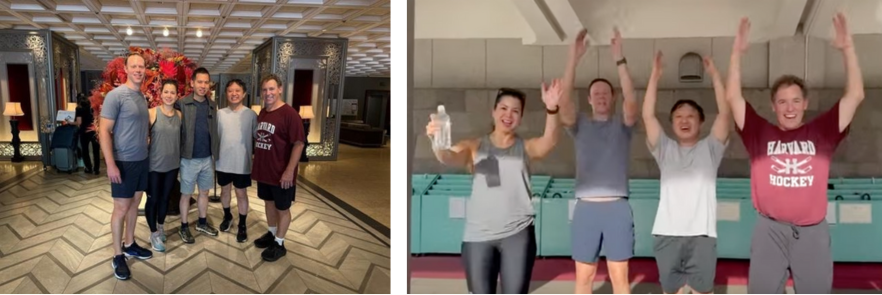
By the time we reached Tokyo, all four of us were undeniably fatigued. The pace of the trip—NON-STOP three and a half weeks across the Pacific fighting the jetlag, four geographic regions, and endless clinical and cultural activities—was starting to show. Even so, we kept our commitment to daily workout and making every minute here in Asia count! One morning, both Prof. Uchida and Prof. Kuroda joined us for an early run—again showing their remarkable energy and hospitality.
We carved out time to visit the iconic Senso-ji Temple (浅草寺). Brian drew a fortune slip (omikuji) and, following tradition, tied it to the rack to “leave the bad luck behind.” – perhaps because the slip said something he does not like? In the surrounding streets of old Tokyo where there is a fish market, the alleys offered everything from traditional street snacks to conveyor-belt sushi(回転寿司), fried crab, and countless varieties of authentic green tea(緑茶), matcha(抹茶), and sencha(煎茶).
After our short excursion, we traveled like locals—walking and taking the subway—to return to the conference venue. That evening, at the rooftop of a hotel with panoramic views of the Tokyo Tower (東京タワー), we attended the JSOA farewell party. It was the perfect place to bring our official itinerary to a close.
Saying Goodbye
The next morning, Alvin departed first for his extended solo visit to Taiwan where he gave more lectures and visited the premiere orthopedic center at Taipei Veterans General Hospital. Prof. Uchida, with genuine kindness, came to the hotel to see him off. This became our final group “Banzai!” moment of the entire tour. Austin left next according to his flight schedule. Andrea and Brian departed last, bringing our three-and-a-half-week AOSSM–APKASS tour to a formal and sentimental end.
Closing Reflections
We followed an aggressive itinerary—three and a half weeks across the Pacific, spanning three countries and four distinct regions, with constant travel, time-zone shifts, academic commitments, and clinical observations. For all four of us, this was a novel challenge, which we embraced and were excited about! The three of us are in the age of 42-45 years old, and Brian Busconi—our “Godfather”—is even more senior (shh~). Though each of us routinely works out and has been used to long working hours, by the end of the trip we all felt the need to refresh just a bit.
Yet being able to step away from our usual rhythm of clinic, surgery, and research—to immerse ourselves in a completely different part of the world—proved to be an invaluable experience and growth, both professionally and personally. This also gave us the opportunity to “reset” ourselves by reflecting all that is happening around us and others in our life.
We are deeply grateful for the support we received from OUR HOSTS, Enovis, the AOSSM, APKASS and our home institutions, but even more so for Brian’s guidance and care throughout the entire journey. From the days leading up to departure all the way to our final flights home, he made sure that we were safe and well, and, not only learned as much as possible but also genuinely had fun. And truthfully, among the four of us, the person with the highest energy level was always Brian! No matter which city we landed in, he was the first one awake and already “surveilling the surrounding parameters” showing the merit of being 20+ years in the military! Everywhere we went, he was always engaging with the locals, and exploring every corner human being can set foot on!
Each of us contributed in our own way:
Alvin served as our cultural/linguistic translator across East Asia, IT lead, and although never formally assigned, he naturally became the best photo & written chronicler of our journey.
Andrea became our fitness and morning-run coach, as well as our unofficial Tokyo guide.
Austin handled all things financial and was our improvisational itinerary strategist as well as the super GPS beating Google Maps all the time.
Brian was the anchor—steady, enthusiastic, and always looking out for the group.
Throughout the trip, we helped one another navigate airports, immigration checks, train systems, luggage challenges, and the inevitable unpredictable moments that arise when traveling in unfamiliar places. Most importantly, we were able to temporarily step away from our usual identities as surgeons, team leaders, and administrators—allowing ourselves to simply be travelers, learners, and friends discovering the world together.
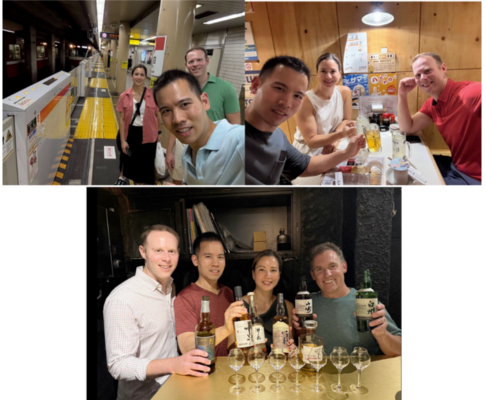
Beyond academic exchange, one of the greatest gifts of this fellowship was the friendships we built across Asia. On a few rare evenings when the formal programs had ended, we wandered through city streets together, found a small spot for a late-night snack, and talked about life, work, family, travel, and even a bit of gossip. These quiet, unscripted moments became some of the most unforgettable memories of the entire journey.
Talks, Gifts, and Cultural Exchanges
At every stop, we delivered lectures and exchanged gifts—an important gesture of respect and hospitality that holds deep meaning across Asian cultures. Representing AOSSM, we brought AOSSM-APKASS Challenge Coins, as well as custom AOSSM-APKASS scrubs and running T-shirts. Each of us also prepared small personal gifts from our home institutions:
Boston Red Sox baseball hats
Nemours Sports Medicine wind jackets, Taiwanese handicrafts
University of Kentucky hats and polo shirts
University of Wisconsin–Madison hats and souvenirs
These exchanges symbolized mutual respect, gratitude, and the warmth that defines Asian hospitality.
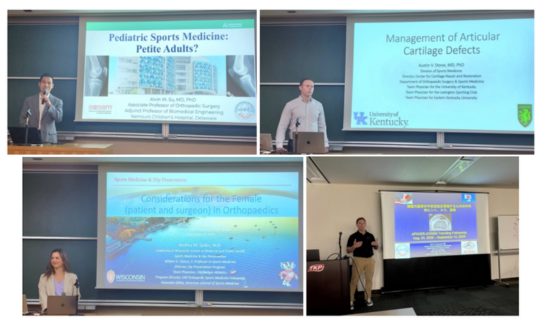
Our Lecture Topics
Brian Busconi
Shoulder instability (various forms), LET/ALL, 30 years of ACL surgery, proximal hamstring tears, osteochondral transplantation, and millions of other lectures!
Andrea
The role of hip arthroscopy in the era of hip replacement; when hip arthroscopy is no longer enough; improving meniscus healing potential; women in orthopedics.
Austin
SLAP tears—debunking myths; cartilage defects in athletes; managing patellofemoral cartilage lesions; AC joint injuries.
Alvin
Martial arts injuries; pediatric sports medicine (“petite adults or not?”); cartilage tissue engineering: challenges; “When the East Meets the West: My Cultural Immersion.”
Final Thoughts
What began as an ambitious, tightly packed professional tour evolved into something much more meaningful. We traveled thousands of miles, crossed cultures, observed different healthcare systems, exchanged ideas with colleagues around the world, and challenged our own assumptions and routines. We grew not only as surgeons but also as people.
Most of all, we strengthened bonds—within our group, with our hosts, and with the many new friends we met across Hong Kong, China, Korea, and Japan. These relationships, forged through shared meals, operating rooms, morning runs and dojo karate practices, academic debates, laughter, and late-night conversations, will stay with us far longer than any single lecture or surgical demonstration.
This fellowship was not just a professional milestone—it was a rare opportunity to rediscover curiosity, humility, and camaraderie. As we boarded our flights home one by one, we knew that the experiences, insights, and friendships from these three and a half weeks would continue to shape our careers—and our lives—for years to come.